-
10-06-2026
How To Choose A Current Sensor Supplier For OEM Power Electronics Projects
Choosing a current sensor supplier for OEM power electronics projects requires a full review of technical capability, model coverage, customization support, quality control, batch consistency, technical documents, sample support, delivery stability, and long-term cooperation ability. For EV chargers, BESS, solar inverters, motor drives, UPS systems, welding machines, railway systems, and industrial power supplies, the right supplier can help reduce model selection risk, improve sample testing efficiency, support mass production, and provide stable current sensing solutions for long-term OEM projects.
-
09-06-2026
Current Sensor With Custom Aperture Size For Busbar And Cable Installation
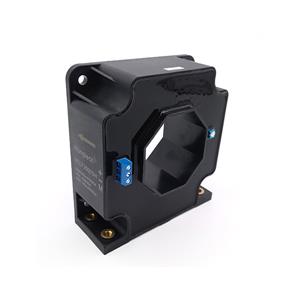
A current sensor with custom aperture size is often needed when standard models cannot fit the actual copper busbar, cable diameter, cabinet layout, or mounting structure. For busbar installation, buyers should provide busbar width, thickness, insulation layer, conductor position, and mounting method. For cable installation, buyers should provide cable outer diameter, number of cables, cable routing, bending space, and whether the cable can be disconnected. For EV chargers, BESS, solar inverters, motor drives, UPS systems, welding machines, railway power systems, and industrial power cabinets, aperture customization should be matched with electrical parameters such as current range, peak current, output signal, supply voltage, accuracy, response time, and isolation voltage. A complete parameter list helps suppliers recommend a practical and reliable custom current sensor solution.
-
04-06-2026
Custom Current Sensor For Power Electronics: What Can Be Customized
A custom current sensor can be customized in current range, output signal, supply voltage, aperture size, mounting structure, connector, cable length, accuracy, response time, isolation voltage, housing design, label, calibration, and testing requirements. For power electronics applications, customization should be based on real electrical, mechanical, and safety requirements. For EV chargers, BESS, solar inverters, motor drives, UPS systems, welding machines, railway power systems, and industrial power supplies, a well-designed custom current sensor can improve installation compatibility, signal matching, reliability, and production efficiency. Buyers should provide complete parameters before requesting a quote so the supplier can recommend a practical and reliable custom solution.