How To Choose Power Components For EV Charging Modules
How To Choose Power Components For EV Charging Modules
EV charging modules require reliable power components to support high-efficiency power conversion, accurate current and voltage monitoring, safe isolation, thermal stability, and long-term operation. Components such as current sensors, voltage sensors, IGBT modules, SiC MOSFETs, DC-link capacitors, snubber capacitors, relays, contactors, and protection devices all affect charging performance and system reliability.
This guide explains how engineers and buyers should choose power components for EV charging modules, what parameters matter most, and how to reduce selection risk before sample testing, mass production, or supplier comparison.
Quick Answer
To choose power components for EV charging modules, first confirm the charging module power rating, input voltage, output voltage, output current, topology, switching frequency, efficiency target, isolation requirement, cooling method, operating temperature, and certification needs. Key components should be selected according to voltage rating, current rating, thermal performance, response speed, ripple current, insulation level, reliability data, and compatibility with the control system. For high-efficiency EV charging modules, SiC MOSFETs, low-drift current sensors, isolated voltage sensors, long-life DC-link capacitors, and low-inductance snubber capacitors are often important selection areas.
1. Understand The Power Conversion Structure Of EV Charging Modules
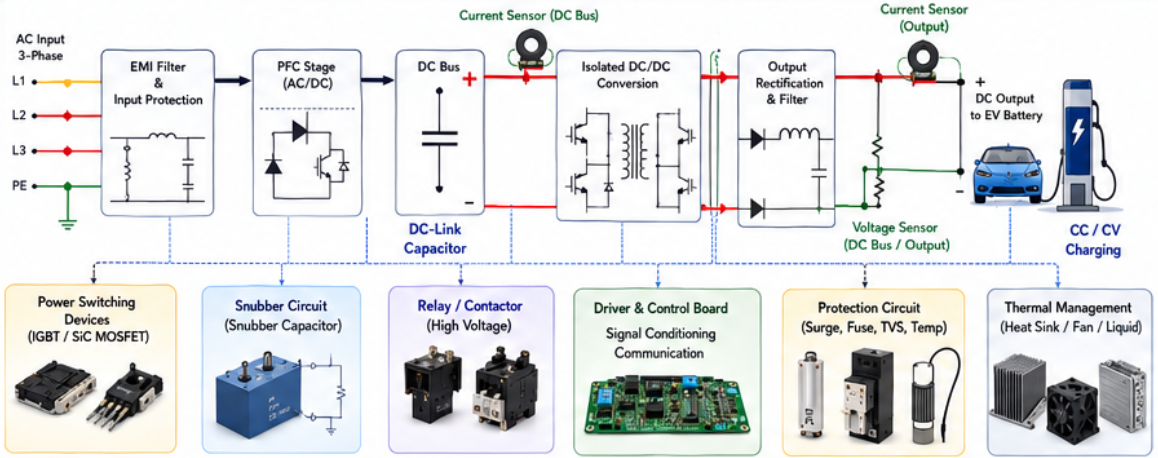
An EV charging module usually includes AC input, rectification, PFC stage, DC bus, DC/DC conversion, isolation stage, output filtering, current and voltage sensing, communication control, thermal management, and protection circuits. Each section needs suitable power components. If one component is selected incorrectly, the whole module may suffer from efficiency loss, excessive heat, unstable output, protection failure, or reduced lifetime.
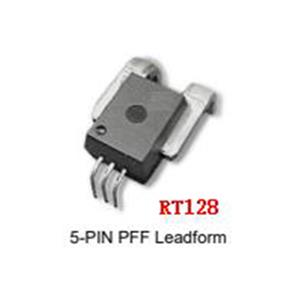
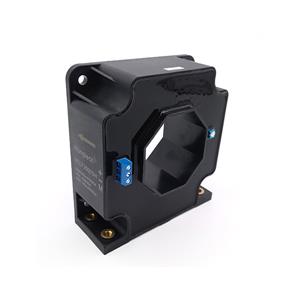
Current sensors and voltage sensors are used to monitor input current, DC bus current, output charging current, DC bus voltage, and output voltage. These signals support closed-loop control, overcurrent protection, overvoltage protection, charging regulation, fault diagnosis, and system safety. Sensor accuracy, isolation, response time, and output signal compatibility should be checked carefully.
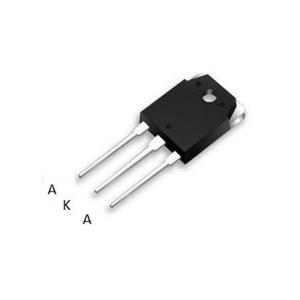
Power semiconductor devices such as IGBT modules and SiC MOSFETs are used for high-speed switching and power conversion. IGBT modules are mature and cost-effective in many conventional designs, while SiC MOSFETs are often selected for higher efficiency, higher switching frequency, lower switching loss, smaller magnetic components, and higher power density.
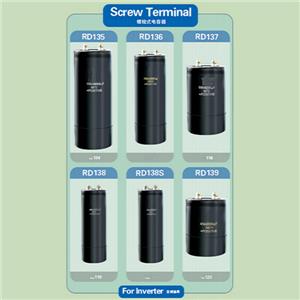
DC-link capacitors and snubber capacitors are also critical. DC-link capacitors stabilize the DC bus and handle ripple current, while snubber capacitors help suppress voltage spikes and protect power semiconductors. In compact high-power EV charging modules, ripple current capability, low ESR, low ESL, temperature performance, and lifetime should be reviewed carefully.
Key Questions Before Component Selection
What is the charging module power rating?
What are the input voltage, DC bus voltage, and output voltage range?
What is the rated output current and peak current?
What topology and switching frequency does the module use?
Is the priority lower cost, higher efficiency, higher power density, or longer lifetime?
What cooling method is used: air cooling, liquid cooling, or natural cooling?
What safety, isolation, EMC, and certification requirements must be met?
2. Compare The Key Power Components In EV Charging Modules
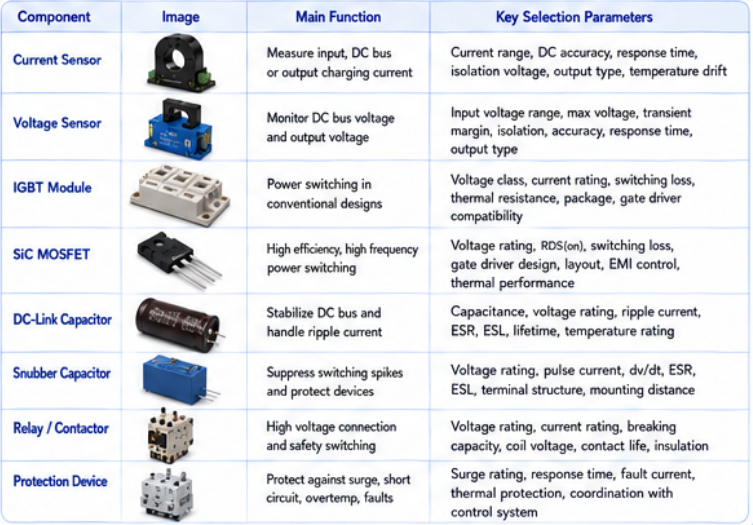
Current sensors should be selected according to the measurement point, current range, AC/DC current type, bidirectional measurement need, response time, isolation voltage, and output signal. For EV charging modules, stable DC current measurement and reliable isolation are especially important. If the current signal is used for charging control or protection, low drift, fast response, and good anti-interference performance should be considered.
Voltage sensors are used to monitor the high-voltage DC bus, output voltage, and protection points. The sensor should match the rated voltage, maximum voltage, transient voltage, isolation requirement, accuracy target, response time, and output signal. In EV charging systems, wrong voltage sensing can affect charging safety, power conversion control, and fault protection.
Power semiconductors should be selected based on voltage class, current rating, switching frequency, loss, thermal design, package, gate driver compatibility, and supply stability. SiC MOSFETs can improve efficiency and power density, but they require careful gate drive, layout, protection, and EMC design. IGBT modules can still be practical in cost-sensitive or mature charging module platforms.
Capacitors should be selected according to DC bus voltage, ripple current, capacitance value, ESR, ESL, operating temperature, lifetime, terminal type, and mounting structure. EV charging modules may operate for long hours and experience high ripple current, so capacitor lifetime and thermal design should not be ignored.
Protection and switching components such as relays, contactors, fuses, surge protection devices, and temperature sensors should also match the charging module voltage, current, fault condition, and safety requirement. A complete design should consider not only normal operation, but also startup, shutdown, overload, short-circuit, thermal fault, and abnormal charging conditions.
| Component Type | Main Function | Key Selection Parameters |
|---|---|---|
| Current Sensor | Measures input, DC bus, or output charging current | Current range, DC accuracy, response time, isolation voltage, output signal, temperature drift |
| Voltage Sensor | Monitors DC bus voltage and output voltage | Input voltage range, maximum voltage, transient margin, isolation, accuracy, response time |
| IGBT Module | Power switching in conventional charging module designs | Voltage class, current rating, switching loss, thermal resistance, package, gate driver compatibility |
| SiC MOSFET | High-efficiency high-frequency power switching | Voltage rating, RDS(on), switching loss, gate driver design, layout, EMI control, thermal design |
| DC-Link Capacitor | Stabilizes DC bus and handles ripple current | Capacitance, voltage rating, ripple current, ESR, ESL, lifetime, temperature rating |
| Snubber Capacitor | Suppresses switching spikes and protects power devices | Voltage rating, pulse current, dv/dt, ESR, ESL, terminal structure, mounting distance |
| Relay / Contactor | Controls high-voltage connection and safety switching | Voltage rating, current rating, breaking capacity, coil voltage, contact life, insulation |
| Protection Device | Protects against surge, short circuit, overtemperature, and abnormal conditions | Surge rating, response time, fault current, thermal protection, coordination with control system |
Why System-Level Matching Matters
A power component should not be selected as an isolated part. A SiC MOSFET may require a different gate driver and layout. A current sensor output must match the controller input. A capacitor must match ripple current and thermal design. A contactor must match fault conditions and safety logic. The best component selection is always based on the complete EV charging module design.
3. Match Components With Charging Module Design Priorities
If the main goal is high efficiency, component losses should be reviewed carefully. SiC MOSFETs may reduce switching loss, low-ESR capacitors can reduce heating, and accurate current and voltage sensors can support better control. However, the design must also handle fast switching effects, layout parasitic inductance, thermal behavior, and EMC performance.
If the main goal is cost control, mature IGBT modules and standard sensors may be practical. However, buyers should not reduce cost by ignoring isolation, temperature performance, or reliability. A low-cost component that causes redesign, overheating, or field failure can increase total project cost.
If the module needs high power density, size, heat, and layout become important. High-frequency switching, compact magnetic components, low-inductance capacitors, accurate sensors, and efficient cooling design all need to work together. Component package size, terminal structure, mounting method, and thermal interface should be reviewed early.
If the priority is long-term reliability, buyers should review operating temperature, lifetime, derating, insulation, EMC, humidity resistance, vibration, aging test data, and supplier quality control. EV charging modules often operate outdoors, in hot cabinets, or under continuous high load, so reliability documentation is important.
When requesting a power component quote for EV charging modules, buyers should provide the charging power, input voltage, output voltage, output current, DC bus voltage, topology, switching frequency, cooling method, efficiency target, component position, certification needs, sample quantity, estimated annual demand, and whether customization is needed.
Selection Direction By Design Priority
| Design Priority | Main Component Focus | Recommended Selection Direction |
|---|---|---|
| High Efficiency | Power semiconductors, capacitors, sensors, thermal design | Consider SiC MOSFETs, low-loss capacitors, accurate sensors, and optimized cooling |
| Cost Control | Mature components and standard platforms | Use proven IGBT modules and standard sensors when performance is sufficient |
| High Power Density | Switching frequency, package size, low-inductance layout, cooling | Use compact high-performance components with strong thermal and EMC design |
| Safety And Isolation | Current sensors, voltage sensors, contactors, insulation design | Check isolation voltage, working voltage, creepage, clearance, and safety documents |
| Long Lifetime | Capacitors, sensors, thermal design, supplier quality | Review temperature rating, lifetime, reliability tests, and batch consistency |
| Fast Protection | Sensors, drivers, protection devices, control system | Choose fast-response sensors and protection components matched to fault conditions |
Common Selection Mistakes To Avoid
Choosing components only by price and ignoring efficiency, heat, and reliability.
Using sensors without checking isolation voltage and output compatibility.
Choosing capacitors without checking ripple current, ESR, ESL, and lifetime.
Replacing IGBT with SiC without redesigning gate driver, layout, and EMC control.
Ignoring transient voltage, surge current, and abnormal charging conditions.
Not checking thermal performance under full-load continuous operation.
Waiting until mass production to confirm certification and compliance documents.
Conclusion
Choosing power components for EV charging modules requires a system-level review of voltage, current, power rating, topology, switching frequency, isolation, thermal design, control signal, protection logic, certification, and lifetime requirements. Current sensors, voltage sensors, IGBT modules, SiC MOSFETs, DC-link capacitors, snubber capacitors, contactors, and protection devices should be matched with the actual charging module design.
For high-efficiency, compact, and reliable EV charging modules, the best component choice is not simply the lowest-price option. It is the solution that improves power conversion stability, reduces heat, supports safe isolation, protects power devices, and maintains long-term performance under real operating conditions.
FAQ
1. What power components are used in EV charging modules?
Common components include current sensors, voltage sensors, IGBT modules, SiC MOSFETs, DC-link capacitors, snubber capacitors, relays, contactors, fuses, surge protection devices, gate drivers, and thermal protection components.
2. Why are current sensors important in EV chargers?
Current sensors help measure charging current, DC bus current, and protection current. They support charging control, overcurrent protection, fault diagnosis, and safe operation.
3. Should EV charging modules use IGBT or SiC MOSFET?
IGBT modules are mature and cost-effective for many conventional designs. SiC MOSFETs are often better for high-efficiency, high-frequency, compact, and high-power-density charging modules, but they require careful design.
4. Why do DC-link capacitors matter in EV charging modules?
DC-link capacitors stabilize the DC bus, absorb ripple current, reduce voltage fluctuation, and support reliable power conversion. Ripple current, ESR, ESL, temperature, and lifetime should be checked carefully.
5. What information should I provide before requesting a quote?
You should provide charging module power, input voltage, output voltage, output current, DC bus voltage, topology, switching frequency, cooling method, efficiency target, component type, certification needs, sample quantity, and annual demand.
Contact Us For EV Charging Module Power Component Selection Support
If you are selecting current sensors, voltage sensors, IGBT modules, SiC MOSFETs, DC-link capacitors, snubber capacitors, or other power components for EV charging modules, send us your power rating, voltage range, current range, topology, switching frequency, cooling method, certification requirements, and application details. Our team can help you match a suitable power component solution.
Contact Us Get Quote