Current Sensing and Power Device FAQ: 10 Questions from Power Electronics Engineers
Current Sensing and Power Device FAQ: 10 Questions from Power Electronics Engineers
1. How do I size a current sensor for an inverter phase?
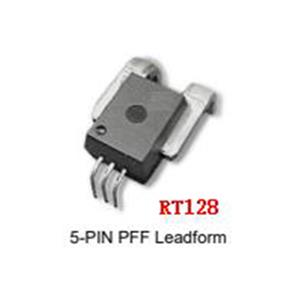
Nominal RMS phase current sets the rated point; peak (including overload and start) must stay inside the linear range — typically choose a sensor rated so your peak is 60-80% of its measuring range. Leave headroom for protection thresholds above operating peak.
2. What bandwidth and response time do I need for SiC protection?
SiC short-circuit withstand is 2-5µs, so the whole trip chain (sensor + comparator + driver turn-off) must complete inside it. Choose sensors with sub-µs response for the protection path; control-loop sensing can be slower.
3. Why does my drive show torque ripple at low speed?
Often current-sensor offset and gain mismatch between phases. Closed loop or flux-gate sensors with low offset drift reduce it; so does per-phase calibration. Check sensor supply symmetry (±15V) — asymmetric rails shift offset.
4. Can I run a 5V single-supply sensor from a ±15V design or vice versa?
Not interchangeably — output scaling and offset conventions differ (2.5V-centered ratiometric vs bipolar voltage/current outputs). When migrating designs, re-check ADC interface scaling and protection comparator thresholds. We can propose pin-compatible migration options across brands.
5. What is a leakage current sensor and where is it mandatory?
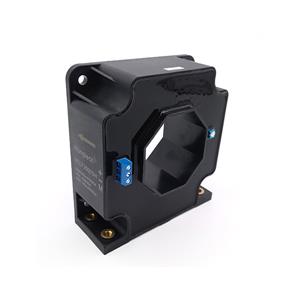
A high-sensitivity residual-current sensor measuring mA-class imbalance between conductors — required in EV charging (CP/RCD functions), solar inverters (RCMU), and medical equipment. Specify type A/B behavior per your standard and the trip thresholds early; retrofitting is painful.
6. IGBT module or discrete? IPM or separate driver?
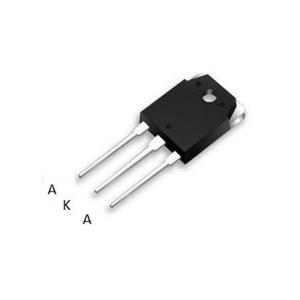
Below ~30A discrete devices are economical; above it, modules simplify thermal design and busbar layout. IPMs integrate driver and protection — fastest time-to-market for drives up to tens of kW; separate driver + module gives more freedom at higher power. We stock all paths and can quote both for comparison.
7. How do I choose DC-link capacitors for higher switching frequency?
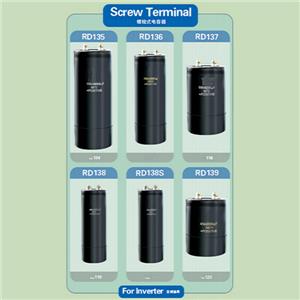
Calculate ripple current first — it, not capacitance, usually sizes the bank. Film capacitors handle high ripple with long life; electrolytics give density for energy holdup; many designs combine both. Check ESL for the snubber path and temperature derating honestly.
8. Are your sensors and devices automotive-qualified?
Automotive-grade options (AEC-Q / IATF-flow lines) exist across sensors, IGBT/SiC and passives; state your qualification requirement and volumes and we confirm graded parts and documentation (PPAP where applicable).
9. Can you help cross an obsolete or unavailable part?
Yes — send the part number and application conditions; we return form-fit-function candidates with the differences flagged (offset conventions, gate charge, thermal resistance) so requalification is scoped honestly, usually within one working day.
10. How do I get samples and pricing?
Send your specification list or BOM with target quantities. Rongtech supplies sensors (open/closed loop, flux-gate, leakage), power devices (IGBT/SiC/GaN/IPM), driver and MCU ICs, and matched passives from stock — samples for standard parts typically ship within days.