-
12-06-2026
Fluxgate Current Sensor For Precision DC Measurement: When Is It Worth Choosing?
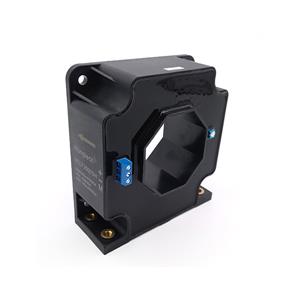
A fluxgate current sensor is worth choosing when the project requires high-accuracy DC measurement, low zero offset, low temperature drift, stable long-term output, and reliable small-current detection. It is especially suitable for precision battery testing, high-end BESS, calibration systems, laboratory power electronics, railway DC monitoring, and advanced industrial measurement systems. For general current monitoring, cost-sensitive protection, or standard industrial equipment, a Hall effect current sensor or closed loop current sensor may be more practical. Buyers should evaluate the real accuracy requirement, drift tolerance, output signal, installation structure, and budget before choosing a fluxgate current sensor.
-
05-05-2026
Hall Effect vs Fluxgate Current Sensors: Which One Should You Choose
Hall effect and fluxgate current sensors are not direct replacements in every situation. Hall effect current sensors are suitable for most industrial current measurement applications because they provide reliable performance, isolation, cost efficiency, and broad application coverage. Fluxgate current sensors are better suited for precision measurement, low-offset DC sensing, battery testing, and advanced systems where very small current errors matter. For most EV charging stations, motor drives, solar inverters, UPS systems, welding equipment, and industrial automation applications, Hall effect current sensors are usually the practical choice. For precision testing, high-end energy storage analysis, laboratory equipment, and advanced power measurement, fluxgate current sensors can provide stronger measurement quality. The final decision should be based on accuracy needs, current range, offset tolerance, temperature stability, response requirement, installation space, and project budget.
-
02-04-2026
What Should Be Confirmed Before Ordering A Closed-Loop Current Sensor
current sensor selection should always begin with the power system target: what must be measured, how accurately, under what electrical stress, at what temperature, and for what control purpose. Once those questions are answered clearly, the right sensor category usually becomes much easier to identify. That is how engineers reduce selection risk, improve control performance, and avoid paying for features the application does not actually need
-
01-04-2026
How To Choose The Right Current Sensor For Different Power System Applications
current sensor selection should always begin with the power system target: what must be measured, how accurately, under what electrical stress, at what temperature, and for what control purpose. Once those questions are answered clearly, the right sensor category usually becomes much easier to identify. That is how engineers reduce selection risk, improve control performance, and avoid paying for features the application does not actually need.