What Are Open-Loop Current Sensors and How Do They Optimize Industrial Energy Efficiency?
Core Principles and Advantages of Open-Loop Current Sensors
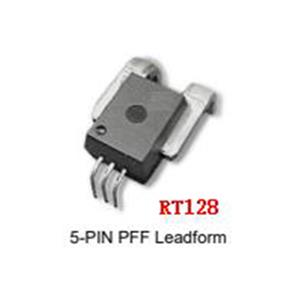
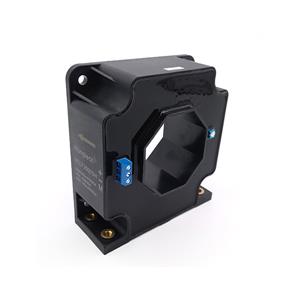
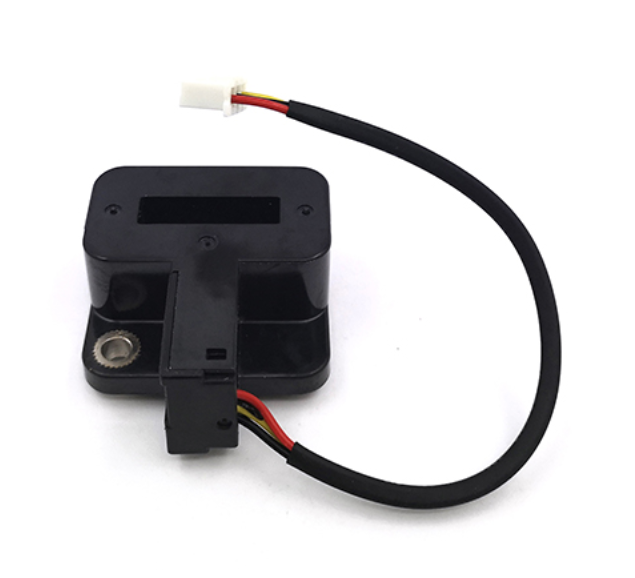
Open-loop current sensors, a cornerstone of modern industrial measurement, operate on the Hall-effect principle to provide isolated, contactless current sensing. When current flows through a primary conductor, it generates a magnetic field, which is concentrated by a magnetic core. A Hall-effect chip placed in the core's air gap produces a voltage output proportional to the magnetic flux, and thus, to the primary current. Compared to closed-loop (compensated) sensors, the open-loop design omits the secondary compensation winding and complex feedback circuit. This results in a simpler, more compact, and cost-effective structure with lower power consumption. Rongtech Industry's open-loop sensors, such as the RTC and RTL series, exemplify this with their optimized magnetic circuit design, offering excellent linearity, fast response times, and wide bandwidth. Their inherent electrical isolation ensures safety by preventing high-voltage circuits from interfering with low-voltage measurement systems, making them indispensable for basic monitoring, overload protection, and energy metering where extreme precision is secondary to reliability and value.
Driving Industrial Energy Efficiency Through Strategic Deployment
The strategic application of open-loop current sensors is a powerful lever for unlocking industrial energy savings. Their primary role lies in enabling precise monitoring and intelligent control of electrical loads. By continuously and accurately measuring motor current in pumps, fans, and compressors—which account for a significant portion of industrial energy use—these sensors provide the critical data needed for Variable Frequency Drive (VFD) control. VFDs can then adjust motor speed in real-time to match actual demand, eliminating the massive energy waste associated with constant-speed operation. Furthermore, in power distribution systems, Rongtech’s sensors facilitate detailed energy audits by monitoring branch circuit consumption, identifying inefficient equipment, and detecting abnormal loads that signal potential faults or parasitic losses. This data empowers facility managers to shift loads, schedule operations optimally, and perform predictive maintenance, transforming raw electrical data into actionable intelligence for systematic energy management and substantial cost reduction.
Rongtech's Tailored Solutions for Demanding Industrial Applications
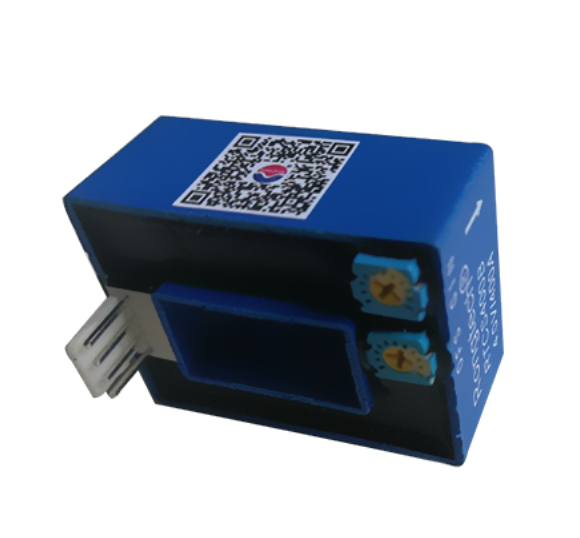
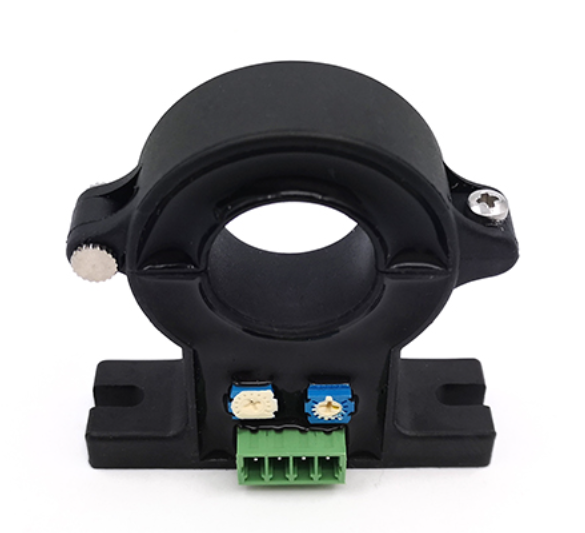
Rongtech Industry elevates the standard open-loop sensor by engineering robust solutions tailored for harsh industrial environments. Key to this is enhanced reliability and durability. Their sensors feature wide operating temperature ranges, high isolation voltages, and strong resistance to environmental interference like dust, moisture, and vibration, ensuring stable performance on factory floors. For enhanced functionality, many models integrate features like over-current alarm outputs, which provide a direct digital signal for immediate system shutdown or alarm triggering, adding a critical layer of protection. Moreover, Rongtech offers sensors with split-core designs, allowing for easy installation around existing conductors without system shutdown—a vital feature for retrofitting and maintenance. Whether for solar inverter current monitoring, UPS system load management, or EV charging pile current detection, Rongtech’s product portfolio provides the specific form factors, measurement ranges, and output signals required to seamlessly integrate into diverse energy-efficient systems, making optimization both accessible and practical.
In essence, open-loop current sensors are far more than simple measurement tools; they are the foundational enablers of industrial energy intelligence. By providing reliable, cost-effective, and isolated current data, they form the critical sensory layer for monitoring systems. Rongtech Industry’s enhanced open-loop sensor solutions transform this data into actionable insights for optimizing motor control, conducting energy audits, and enabling predictive maintenance. This direct pathway from precise measurement to intelligent action allows industries to significantly reduce energy consumption, lower operational costs, and boost overall system reliability, making them a smart and strategic investment for any efficiency-driven operation.