Thermal Management Solutions for High-Density Power Electronics
Thermal Management Solutions for High-Density Power Electronics
The Critical Role of Thermal Management in High-Density Design
In the relentless pursuit of miniaturization and increased power density in modern power electronics, thermal management has emerged as the single most critical bottleneck. As components are packed into ever-smaller volumes, the heat flux (W/cm²) generated by switching losses and conduction losses increases exponentially. Without effective heat dissipation, this concentrated thermal energy leads to elevated junction temperatures, accelerated component aging, and catastrophic system failure. For high-density systems utilizing Wide Bandgap (WBG) semiconductors like Silicon Carbide (SiC) and Gallium Nitride (GaN), which operate at higher frequencies and temperatures, traditional cooling methods like simple heat sinks are no longer sufficient. The challenge is not merely to remove heat, but to do so efficiently from localized hotspots while maintaining structural integrity and reliability under extreme thermal cycling. This necessitates a holistic approach that integrates advanced materials, innovative packaging, and sophisticated cooling architectures to ensure that the promise of high power density does not come at the cost of system longevity.
Advanced Materials and Component-Level Thermal Resilience
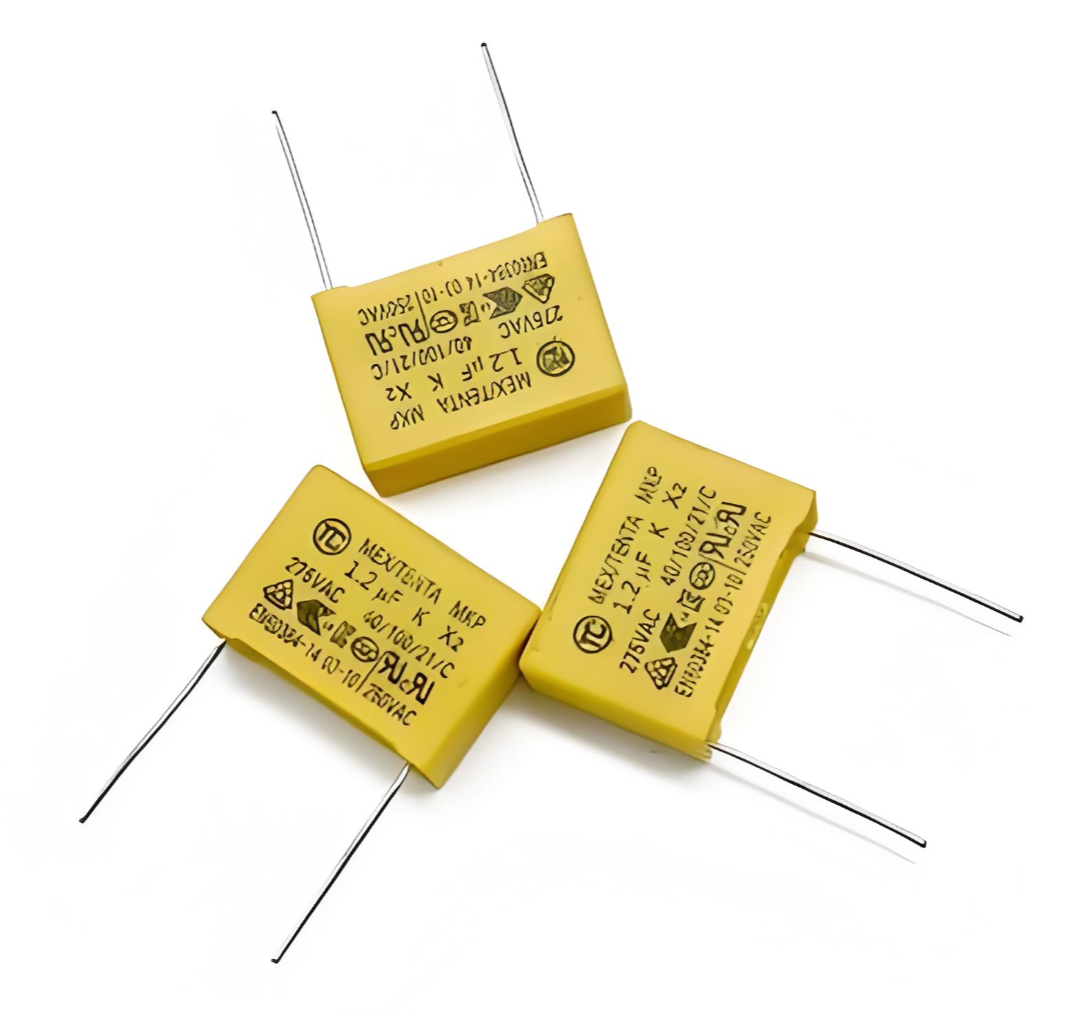
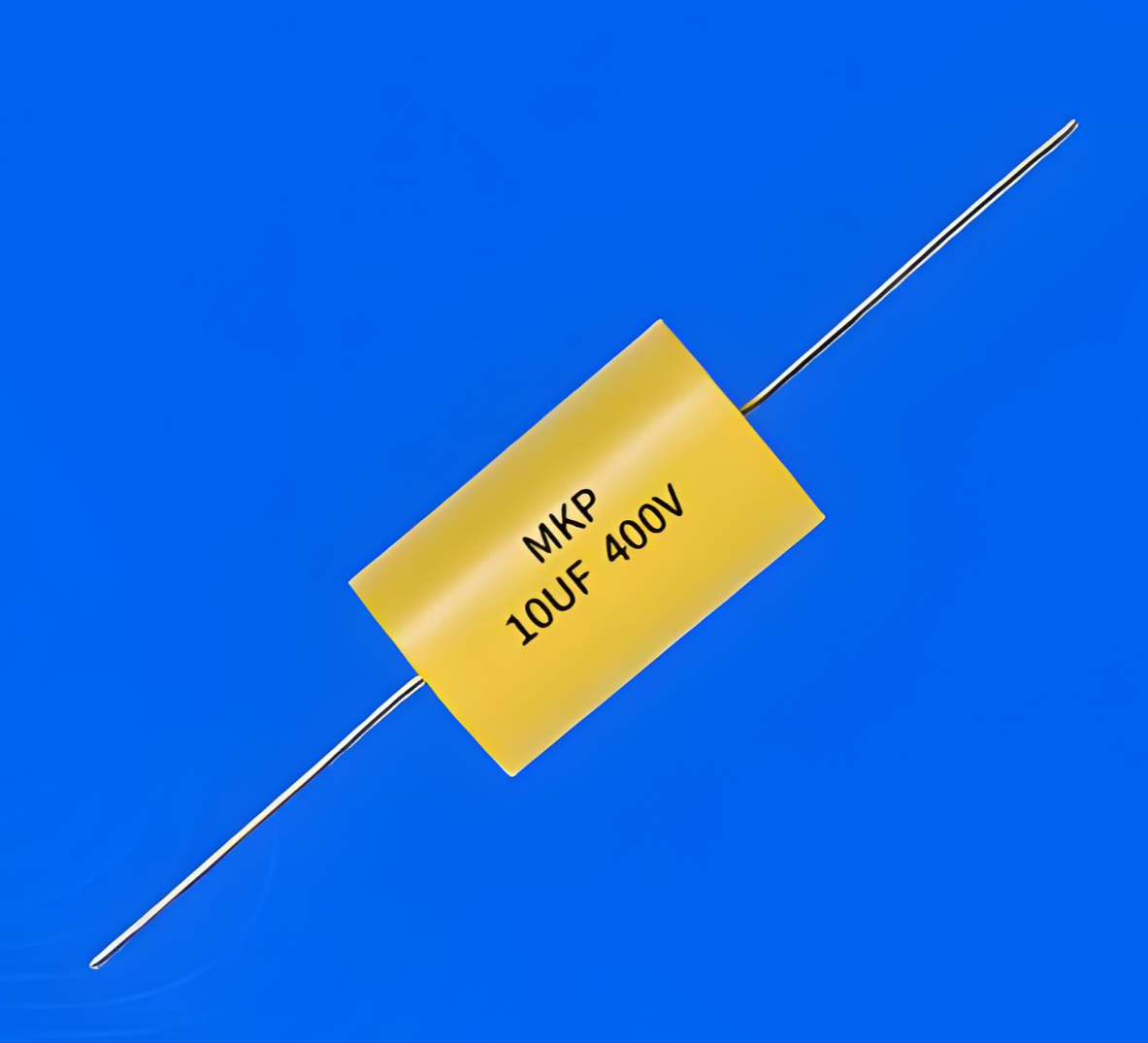
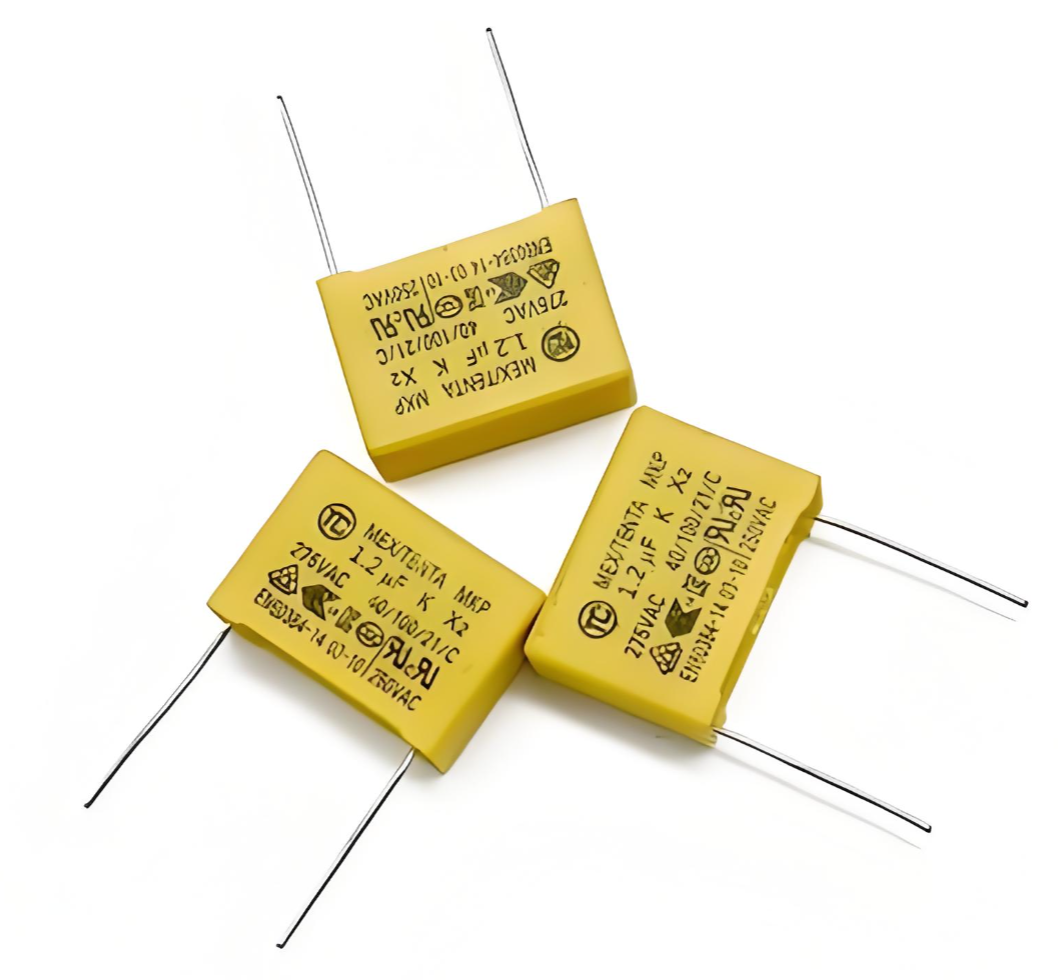
At the component level, the foundation of thermal management begins with selecting materials that can withstand high operating temperatures without degradation. For passive components like DC-Link capacitors, this means a decisive shift from traditional electrolytic capacitors to high-temperature film capacitors. Electrolytics are notorious for their limited lifespan at elevated temperatures due to electrolyte evaporation. In contrast, advanced metallized polypropylene (MKP) and specialized high-temperature polymer films (e.g., those operating stably at 150°C) offer superior thermal stability. These film dielectrics exhibit low equivalent series resistance (ESR) and low dielectric losses (tan δ), which directly translate to reduced self-heating. By generating less internal heat, these components place a lower burden on the system's active cooling mechanisms. Furthermore, innovations in metallization and segmentation allow these capacitors to handle high ripple currents and high dV/dt stresses without thermal runaway, making them ideal for the harsh thermal environments of high-density SiC and GaN inverters.
System-Level Cooling Architectures: From Passive to Microfluidic
Beyond component selection, the system-level architecture is paramount for heat extraction. Forced air cooling, while cost-effective, often fails to meet the heat removal demands of high-density power modules. The industry is increasingly adopting liquid cooling solutions, which offer an order of magnitude higher heat transfer coefficients. This includes cold plates with microchannel structures that maximize surface area contact with the coolant. The most advanced solutions involve two-phase cooling systems, where the latent heat of vaporization of a coolant provides immense cooling capacity with minimal flow rates. For the most extreme power densities, embedded microfluidic cooling—where cooling channels are integrated directly into the substrate or semiconductor die—is being explored. This "near-junction" cooling drastically reduces the thermal resistance path, allowing heat to be removed at the source before it can spread and create thermal gradients that stress the device. These advanced cooling architectures, combined with low-thermal-resistance packaging like double-sided cooling, are essential for unlocking the full potential of high-density power electronics.
Effective thermal management is the linchpin of high-density power electronics. It requires a dual strategy: utilizing components with inherent thermal resilience, such as high-temperature film capacitors, and implementing aggressive system-level cooling architectures. By mastering heat, we can push the boundaries of power density without compromising on reliability.