Inverter Welders: How Capacitors Improve Arc Stability and Weld Quality
Inverter Welders: How Capacitors Improve Arc Stability and Weld Quality
The Role of DC Link Capacitors in Voltage Stabilization
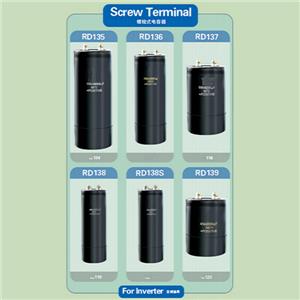
In inverter welding machines, the DC link capacitor serves as the critical energy reservoir between the rectifier and the inverter bridge. During the high-frequency switching cycles of IGBTs or MOSFETs, these capacitors absorb and release energy instantaneously to smooth out voltage ripple on the DC bus. This continuous charge-discharge action prevents voltage sag during peak current demands, ensuring that the inverter maintains a stable output voltage. Without sufficient capacitance, the DC bus voltage would fluctuate wildly with load changes, causing the welding arc to flicker or even extinguish. High-quality metallized polypropylene (MKP) capacitors are preferred for their low Equivalent Series Resistance (ESR), which minimizes internal heating and voltage drops under high ripple currents. This stable DC foundation is the first step toward a smooth, consistent arc.
ESR and ESL: The Hidden Enemies of Arc Stability
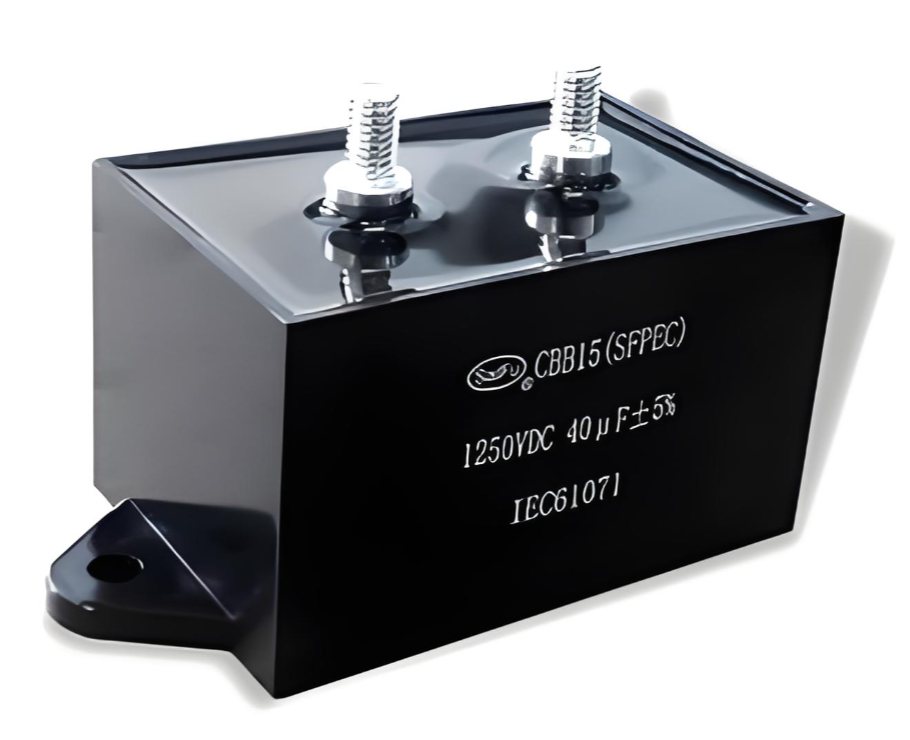
The internal parasitic parameters of a capacitor—Equivalent Series Resistance (ESR) and Equivalent Series Inductance (ESL)—are decisive factors for arc quality. A high ESR generates excessive heat under high-frequency ripple currents, leading to premature capacitor failure and increased thermal stress on the inverter board. More critically, a high ESL creates impedance at switching frequencies, delaying the capacitor's response time. In welding applications, this delay translates into sluggish arc initiation and poor arc force control, resulting in spatter and uneven weld beads. Advanced inverter welders utilize low-inductance, non-inductive capacitor designs (such as stacked film types) to minimize ESL. This ensures that the capacitor can respond instantly to the inverter's demands, providing crisp arc strikes and precise control over the molten pool, which is essential for clean, spatter-free welding.
Energy Storage and Pulse Control for Precision Welding
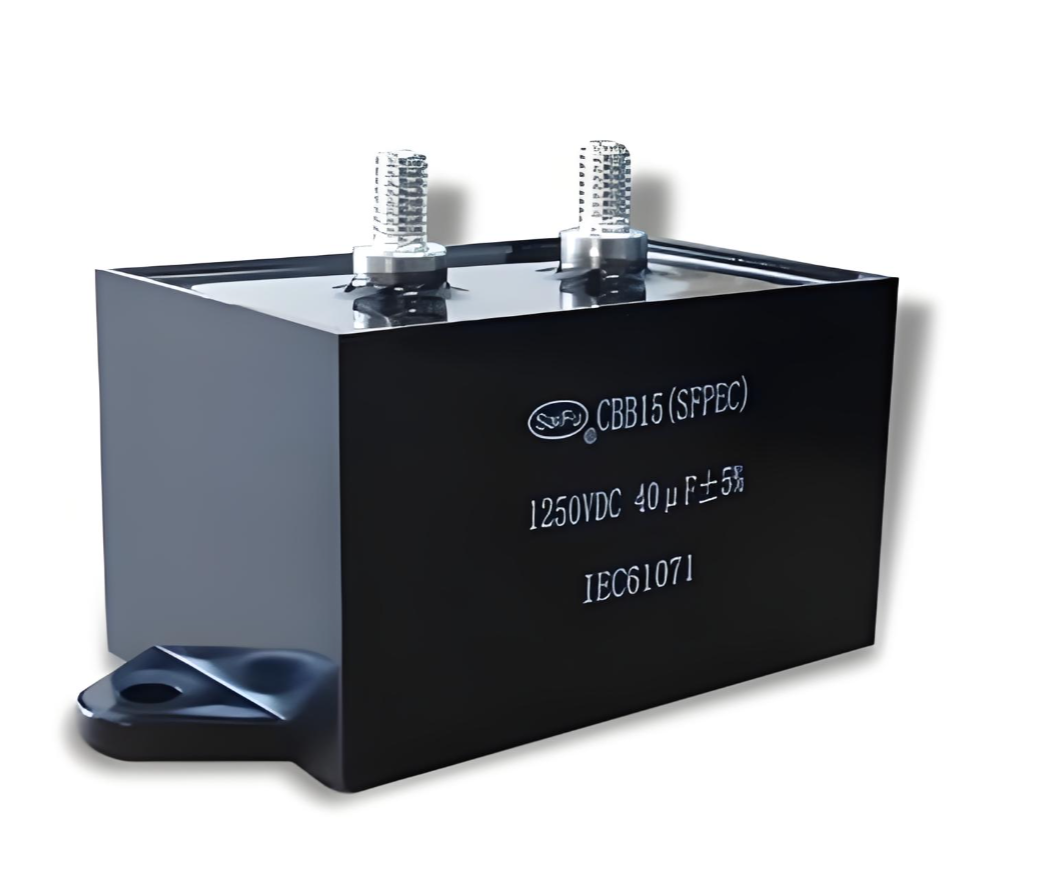
In specialized welding processes like pulsed MIG/MAG or capacitor discharge (CD) welding, capacitors take on an active role beyond filtering. In pulsed welding, the capacitor bank stores energy during the low-current background phase and releases it in a controlled burst during the peak phase. This rapid discharge capability enables deep penetration without excessive heat input, minimizing distortion in thin materials. In capacitor discharge spot welders, the entire welding energy is stored in large-capacity capacitors before being discharged in milliseconds. This method delivers extremely high current in a short time, making it ideal for welding highly conductive materials like aluminum or copper, where traditional resistance welding struggles due to heat dissipation. The capacitor's ability to deliver a sharp, high-energy pulse ensures strong nugget formation with minimal surface marking.
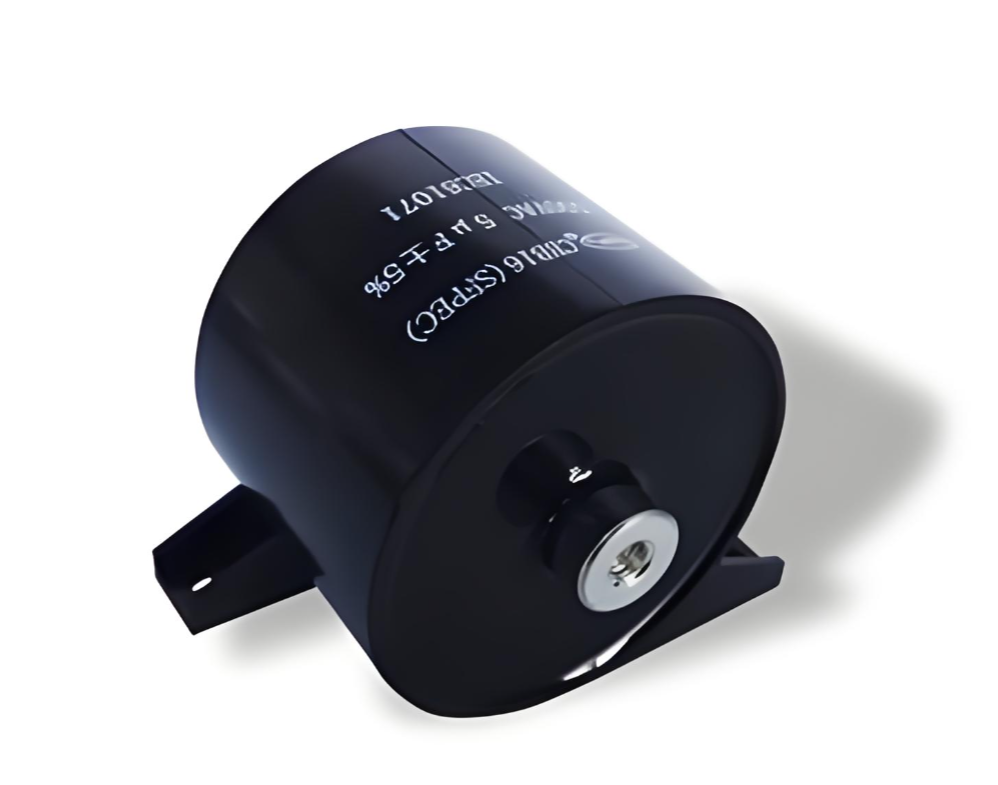
Capacitors are the unsung heroes of inverter welding technology. By stabilizing voltage, minimizing parasitic losses, and enabling precise energy delivery, they transform raw electrical power into a stable, controllable arc. The choice of capacitor technology—specifically low-ESR film capacitors—directly correlates with the machine's ability to produce high-quality, repeatable welds with minimal spatter and excellent bead appearance.