Power Chip Resistors for Demanding Automotive Electronics Applications
Power Chip Resistors for Demanding Automotive Electronics Applications
Meeting the Stringent Demands of the Automotive Environment
The evolution of automotive electronics, from basic engine control units (ECUs) to advanced electric vehicle (EV) powertrains and advanced driver-assistance systems (ADAS), places exceptional demands on every component. Power chip resistors, used for current sensing, pulse absorption, and voltage division in high-power circuits, must operate with unwavering reliability under extreme conditions. These conditions include a wide operating temperature range (from -55°C to over +155°C), significant thermal cycling, constant vibration and shock, and exposure to humidity. To meet these challenges, automotive-grade power chip resistors are constructed with robust materials like ceramic substrates and specialized metallization. They are designed to offer low temperature coefficient of resistance (TCR), ensuring minimal resistance drift with temperature fluctuations, which is critical for maintaining measurement accuracy in sensing applications. Furthermore, they must possess high surge withstand capability to handle transient voltage spikes common in automotive electrical systems. Compliance with stringent AEC-Q200 standards, the international benchmark for passive component stress resistance in automotive applications, is not an option but a fundamental requirement for qualification in this sector.

Critical Applications in Modern Vehicle Systems
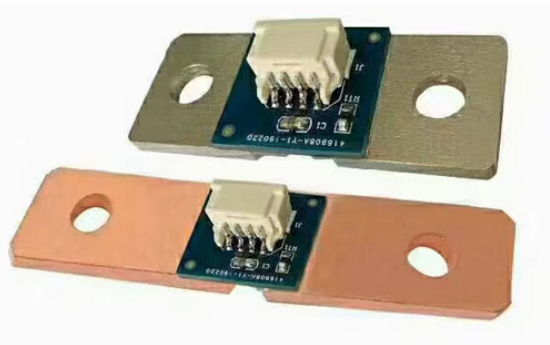
The role of power chip resistors is pivotal across a wide spectrum of automotive electronic systems. In electric and hybrid vehicles, they are indispensable for current sensing in the main traction inverter, the battery management system (BMS), and the DC-DC converter. Accurate current measurement is vital for monitoring battery health, controlling motor torque, and ensuring overall system efficiency and safety. In power steering systems and electronic brake control modules, these resistors provide reliable performance for motor drive circuits and sensor interfaces. Within ADAS platforms, such as radar and camera systems, they ensure stable operation of the power supply lines, contributing to the functional safety of these critical systems. They are also found in LED lighting modules, where they help regulate current for consistent light output, and in engine control units (ECUs) for general power management. The miniaturization trend, driven by the need for higher power density, has led to the development of smaller package sizes (e.g., 2512, 2010, 1210 metric) that can still dissipate significant amounts of power, often by being mounted on a thermal management substrate like an aluminum PCB.
Selection Criteria and Rongtech's Automotive Solutions
Selecting the right power chip resistor for an automotive application requires a meticulous evaluation of multiple parameters. The power rating must be derated for the maximum ambient temperature, and the maximum working voltage must not be exceeded. The TCR specification is critical for precision circuits, while the resistance tolerance (e.g., ±1%, ±5%) must meet the accuracy needs of the application. The surge performance and ability to withstand ESD (Electrostatic Discharge) are also vital for reliability. Manufacturers like Rongtech Industry offer power chip resistors engineered for these demanding environments. Their products typically feature excellent thermal performance due to low thermal resistance, allowing for efficient heat dissipation. They offer a range of package sizes and resistance values to suit various design needs. By utilizing advanced manufacturing processes and rigorous testing protocols aligned with automotive quality requirements, Rongtech ensures its components deliver the long-term durability and stability required for the automotive industry, providing engineers with reliable solutions for next-generation vehicle electronics.
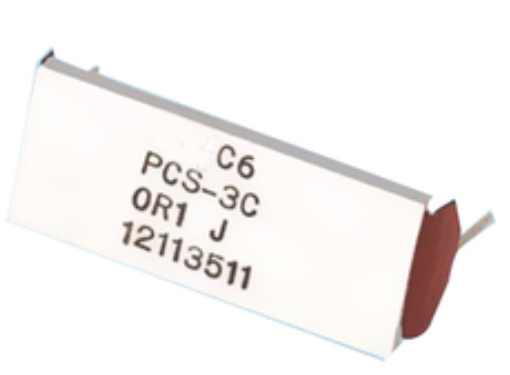
In conclusion, power chip resistors are fundamental, yet highly engineered components that underpin the performance, safety, and reliability of modern automotive electronics. Their ability to provide accurate current sensing and stable power handling under the harsh conditions of an automotive environment makes them indispensable. For engineers designing systems for electric vehicles, ADAS, or conventional automotive controls, a careful selection process focused on specifications like AEC-Q200 compliance, power rating, TCR, and surge capability is essential. Partnering with experienced suppliers like Rongtech ensures access to components that meet the rigorous standards demanded by the automotive industry.