Corrosion-Resistant Power Electronics
Corrosion-Resistant Power Electronics
The Pervasive Challenge: Corrosive Degradation in Harsh Environments
Power electronics deployed in demanding applications such as offshore wind farms, marine vessels, and industrial plants face relentless attack from corrosive elements. High humidity, salt spray, sulfur dioxide (SO₂), and hydrogen sulfide (H₂S) gas are the primary agents of degradation. These conditions are particularly severe in marine and coastal settings, where the combination of salt and moisture creates a highly conductive and aggressive environment. In such settings, standard power electronic components, including DC link capacitors, IGBT modules, and busbars, are highly susceptible to corrosion. The failure mechanisms are insidious: moisture penetration can lead to delamination of internal structures, while chemical attack on metal terminations and interconnects increases resistance, leading to thermal runaway and catastrophic failure. The economic and safety implications of such failures in critical infrastructure are immense, making corrosion resistance a non-negotiable design criterion. The industry standard for validating this resistance is the Temperature, Humidity, and Bias (THB) test, which simulates long-term exposure to these harsh conditions under electrical stress.
Material and Coating Innovations: Building a Physical Barrier
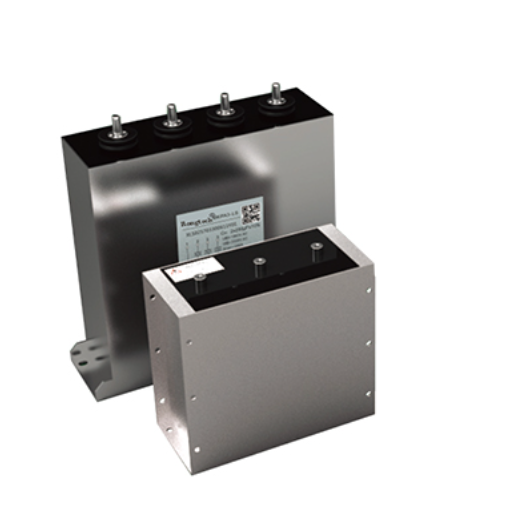
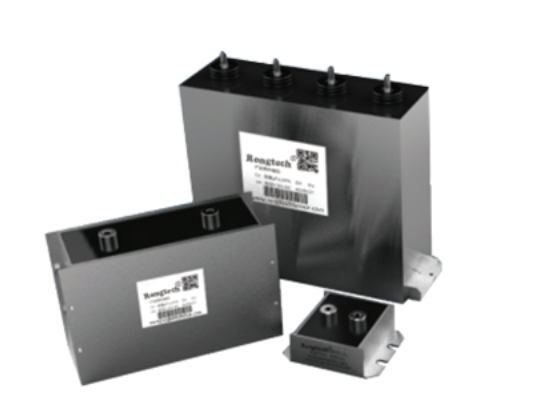
The first line of defense against environmental degradation is the physical barrier provided by advanced materials and protective coatings. For power electronic components, this involves a multi-layered approach. The most critical innovation is the use of epoxy encapsulation and solvent-resistant plastic cases for components like DC link capacitors. These materials are designed to be highly impermeable, preventing moisture and corrosive gases from reaching the sensitive internal metallized film and electrode structures. For semiconductor modules, advanced sintered nano-copper (Cu) interconnects are being treated with atmospheric pressure plasma jet (APPJ) technology to deposit a protective film. This film, often composed of a Si-O network, forms a stable, hydrophobic layer that repels water and blocks the access of corrosive agents like H₂S and O₂. Additionally, the use of CrN (Chromium Nitride) coatings via High-Power Impulse Magnetron Sputtering (HIPIMS) on metal surfaces provides a dense, hard layer that resists pitting and general corrosion. These material solutions are not just about adding a layer; they are about creating a hermetically sealed environment that maintains the component's electrical integrity over its entire service life, even in the presence of constant thermal cycling and mechanical stress.
System-Level Design: Sealing, Conformal Coatings, and Environmental Control
Beyond the component level, system-level design is paramount for ensuring the longevity of power electronics in corrosive atmospheres. This involves the strategic use of conformal coatings on printed circuit boards (PCBs) and the implementation of hermetic sealing for entire power modules. Conformal coatings, such as specialized acrylics, polyurethanes, or silicones, are applied to PCBs to create a thin, protective film that insulates components from moisture, dust, and chemical contaminants. For the most extreme environments, such as subsea applications, power electronic enclosures are often purged with an inert gas like nitrogen or filled with a dielectric fluid to create a positive pressure that excludes external contaminants. Furthermore, the design of cooling systems must be corrosion-resistant; for example, the use of sealed cold plates with non-corrosive materials (e.g., aluminum with anodized coatings) prevents coolant leakage and the associated risk of short circuits. The goal of system-level design is to create a "clean room" environment within the power converter, isolating the sensitive silicon and passive components from the external world.
In the high-stakes world of power electronics, where system uptime is directly linked to revenue and safety, the cost of component failure is prohibitive. The development of corrosion-resistant power electronics is not merely a technical exercise; it is an economic necessity. By investing in advanced materials, robust coatings, and intelligent system design, manufacturers can deliver products that withstand the harshest conditions, from the deep sea to the industrial desert, ensuring that the power conversion process remains efficient, safe, and reliable for decades. The future of power electronics lies in its ability to operate not just with high efficiency, but with unwavering resilience against the elements.