How to Choose a Voltage Sensor for EV Charging Stations and Solar Inverters
How to Choose a Voltage Sensor for EV Charging Stations and Solar Inverters
Understanding Critical Application Requirements: Isolation and Environment
Selecting the right voltage sensor for demanding applications like EV charging stations and solar inverters begins with a thorough understanding of the operational demands. The paramount requirement in both systems is galvanic isolation, which ensures the separation of high-voltage primary circuits (e.g., the DC bus in a solar inverter or the AC grid connection) from the low-voltage control and monitoring electronics. This isolation is critical for protecting equipment and ensuring user safety. Furthermore, these sensors must operate reliably in harsh environments characterized by wide temperature fluctuations, high humidity, and significant electromagnetic interference (EMI) generated by high-frequency switching components. For EV chargers, compact size is often a key constraint, especially in onboard chargers (OBC). In solar inverters, the ability to accurately measure DC bus voltage is essential for maximum power point tracking (MPPT) efficiency, while AC output voltage sensing ensures grid compliance. Therefore, the chosen sensor must not only measure voltage accurately but also provide robust isolation, excellent noise immunity, and long-term stability under stressful conditions.
Evaluating Sensor Technologies: Hall Effect vs. Optocoupler
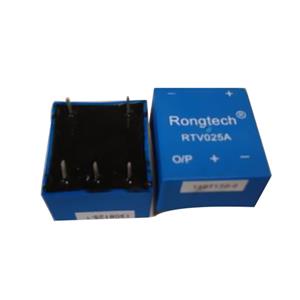
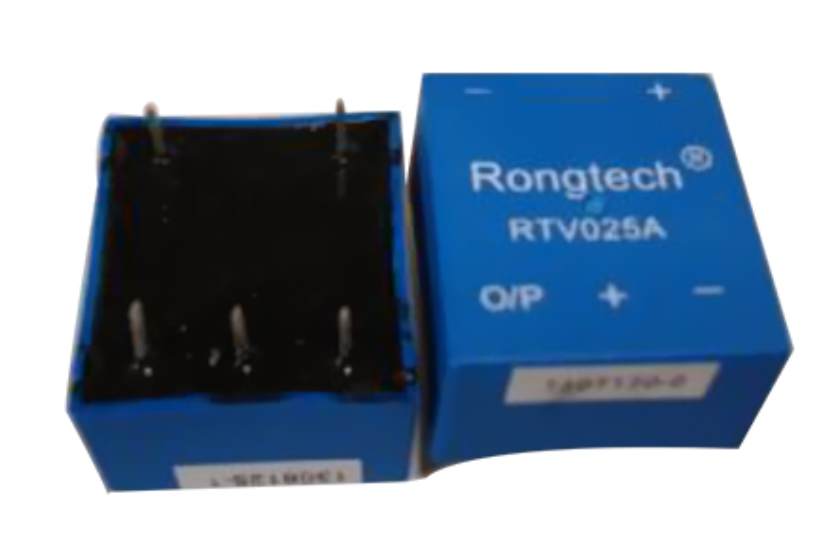
The two primary technologies for voltage sensing in these applications are Hall Effect-based sensors and isolation amplifiers/optocoupler-based solutions. Hall Effect voltage sensors, such as those in Rongtech's RTV series, operate by converting the primary voltage into a small proportional current, which is then passed through a primary resistor to generate a magnetic field sensed by a Hall element. They offer inherent galvanic isolation, good accuracy, and the ability to measure both AC and DC voltages. Their key advantages include low power consumption, wide frequency bandwidth, and robust performance against noise. Alternatively, optocoupler-based isolation amplifiers use an LED and photodetector to create isolation. While they can offer high isolation voltages, they may suffer from aging effects (as the LED degrades over time), limited bandwidth, and higher temperature drift compared to advanced Hall Effect designs. For the dynamic and noisy environments of EV chargers and solar inverters, Hall Effect sensors often present a more reliable and durable solution with better long-term stability, making them a preferred choice for critical voltage monitoring tasks.
Key Selection Criteria: Accuracy, Range, and Compliance
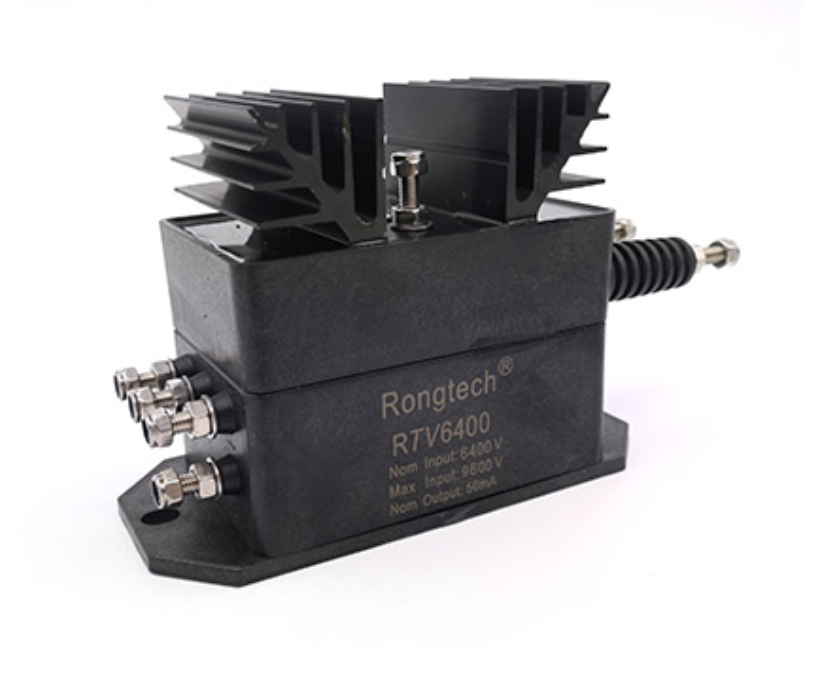
Beyond the core technology, several specific performance parameters must be carefully evaluated to ensure optimal system performance. Accuracy and linearity are fundamental; even small measurement errors can significantly impact the efficiency of MPPT algorithms in solar inverters or the charging precision in EV stations. The sensor must maintain this accuracy across the entire operating voltage range (e.g., high DC voltages up to 1500V in solar systems) and the expected temperature span. The response time is another critical factor, especially for fast protection functions in inverters. Additionally, the sensor's power consumption should be minimized to not contribute excessively to system losses. It is also imperative to choose sensors from manufacturers, like Rongtech Industry, that adhere to international safety and quality standards such as IEC/UL/EN for isolation and EMC. Finally, consider mechanical aspects like mounting options (PCB or panel mount) and creepage and clearance distances, which must be sufficient to prevent arcing at high voltages. A holistic review of these criteria—accuracy, range, speed, compliance, and form factor—will lead to the selection of a voltage sensor that ensures both the safety and high performance of the power conversion system.
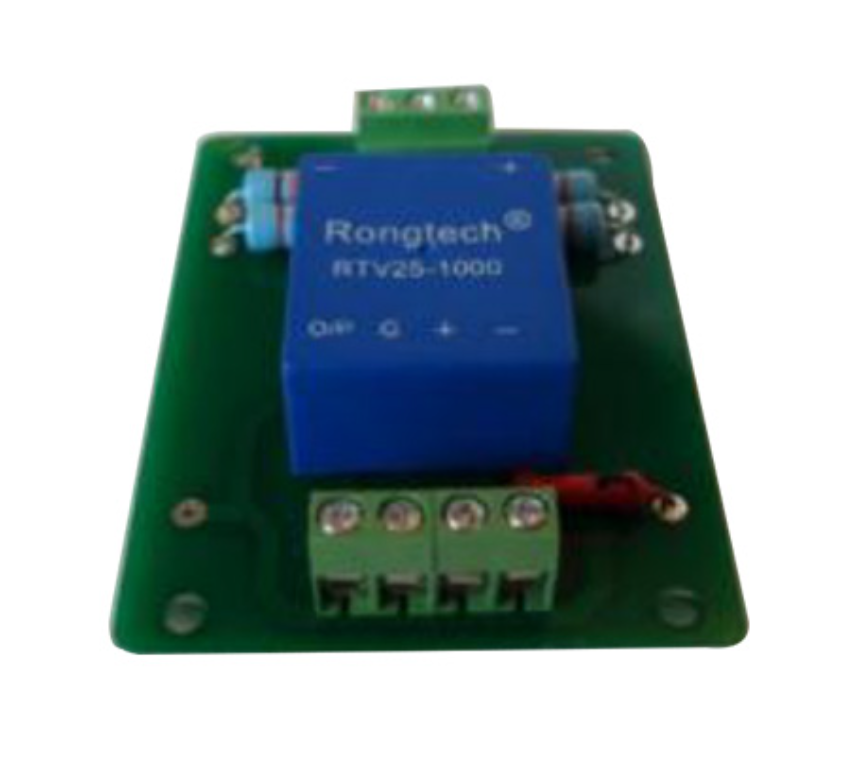
In conclusion, selecting a voltage sensor for EV charging stations and solar inverters is a critical decision that hinges on isolation, environmental robustness, and precise technical specifications. Hall Effect-based sensors often emerge as the superior choice due to their inherent isolation, excellent noise immunity, and long-term stability. By meticulously evaluating requirements for accuracy, voltage range, response time, and regulatory compliance, engineers can select a sensor—such as those from Rongtech's portfolio—that guarantees the safety, efficiency, and reliability of modern green energy systems.