Film vs. Electrolytic: Why Film Capacitors Dominate Modern Inverter Welders
Film vs. Electrolytic: Why Film Capacitors Dominate Modern Inverter Welders
The Reliability Revolution: From Liquid Electrolytes to Solid-State Durability
The shift from traditional electrolytic capacitors to advanced film capacitors represents a fundamental leap in reliability for modern inverter welders. Electrolytic capacitors, which rely on a liquid electrolyte to function, are inherently susceptible to failure due to electrolyte evaporation, especially under the high-temperature conditions typical of welding operations. This "dry-out" phenomenon significantly shortens their lifespan, often leading to premature equipment failure and costly downtime. In contrast, film capacitors, such as those manufactured by Rongtech, utilize a solid-state dielectric material (typically metallized polypropylene film) that is immune to electrolyte degradation. This construction eliminates the risk of drying out, resulting in a dramatically extended operational life—often exceeding 100,000 hours—and providing welder manufacturers with a component that can withstand the rigors of continuous industrial use without faltering.
High-Frequency Performance: Taming the Ripple Current
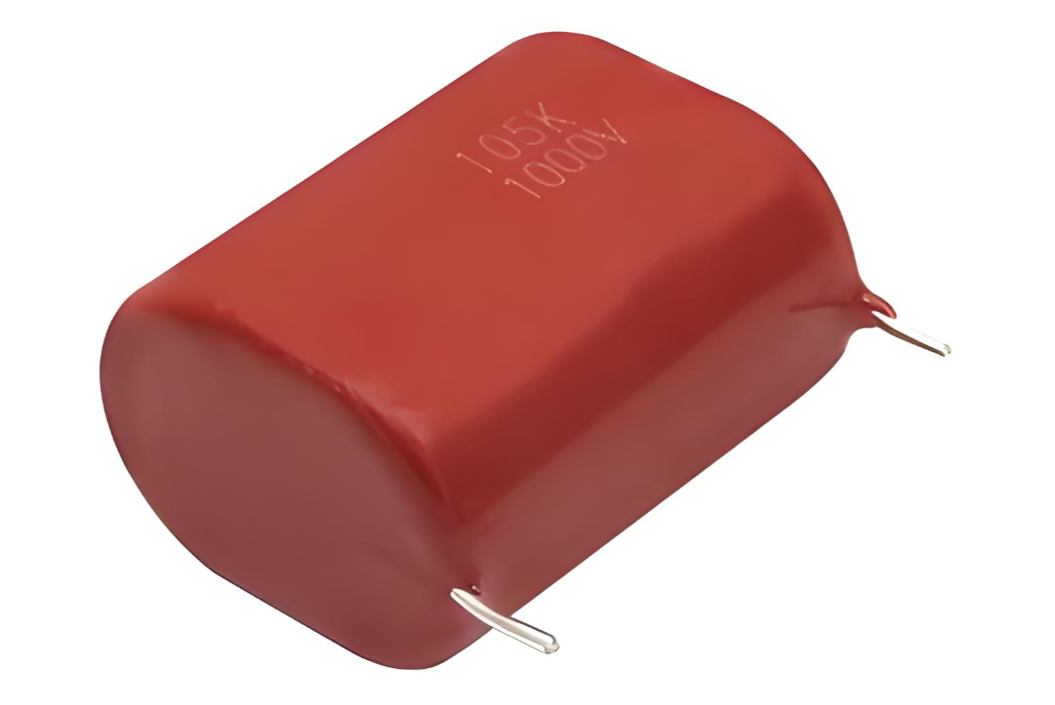
Inverter welders operate at high switching frequencies to achieve precise control and energy efficiency. This high-frequency environment is where the performance gap between film and electrolytic capacitors becomes most apparent. Electrolytic capacitors suffer from high Equivalent Series Resistance (ESR) and Equivalent Series Inductance (ESL) at these frequencies, which causes significant energy loss in the form of heat and limits their ability to handle high ripple currents. Rongtech's film capacitors, however, are engineered with ultra-low ESR and ESL. This allows them to absorb and release energy with minimal loss, effectively smoothing the DC bus voltage and providing the stable, clean power required for a consistent welding arc. The low internal resistance also means they generate less heat, further contributing to the overall thermal stability and efficiency of the welding system.
The Self-Healing Advantage: Safety and Longevity in Harsh Conditions
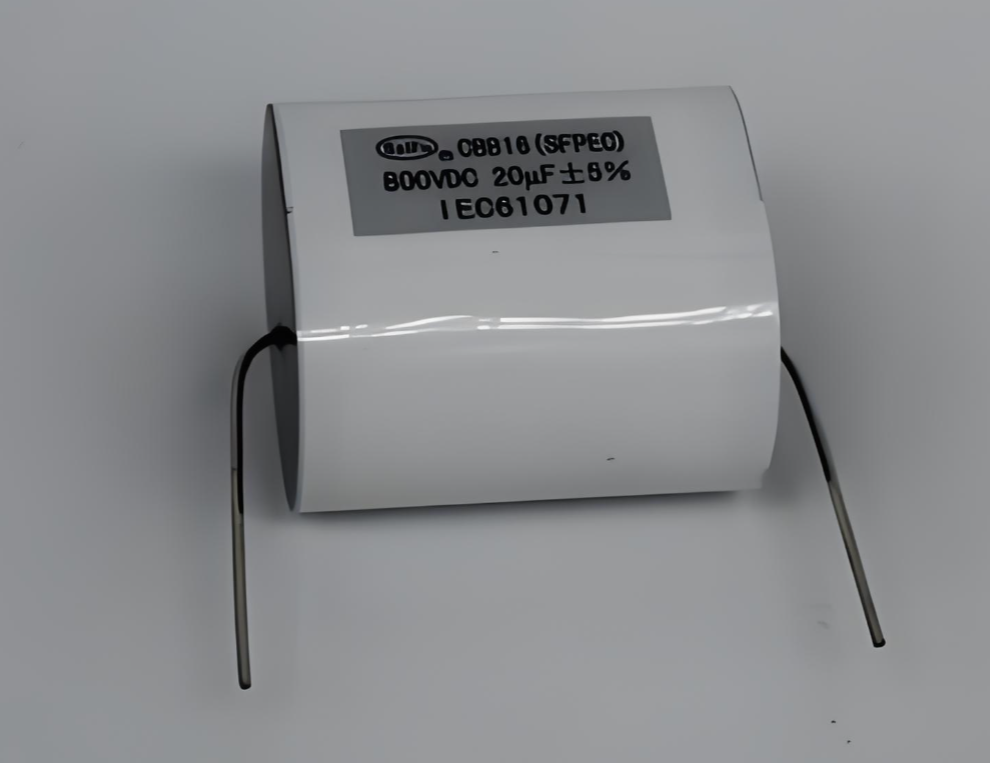
One of the most critical advantages of Rongtech's film capacitors in welding applications is their "self-healing" property. In the demanding environment of an inverter welder, voltage spikes and transient overvoltages are common. If a traditional electrolytic capacitor experiences a dielectric breakdown, it often results in a short circuit or catastrophic failure, potentially damaging the entire power module. Rongtech's metallized film capacitors are designed differently. If a local defect or overvoltage event causes a small area of the dielectric to break down, the surrounding metallized layer vaporizes, isolating the fault. This process happens automatically and instantaneously, allowing the capacitor to continue operating at full capacity. This self-healing mechanism not only prevents catastrophic failure but also ensures the long-term safety and operational integrity of the welding equipment, making it the superior choice for mission-critical industrial applications.
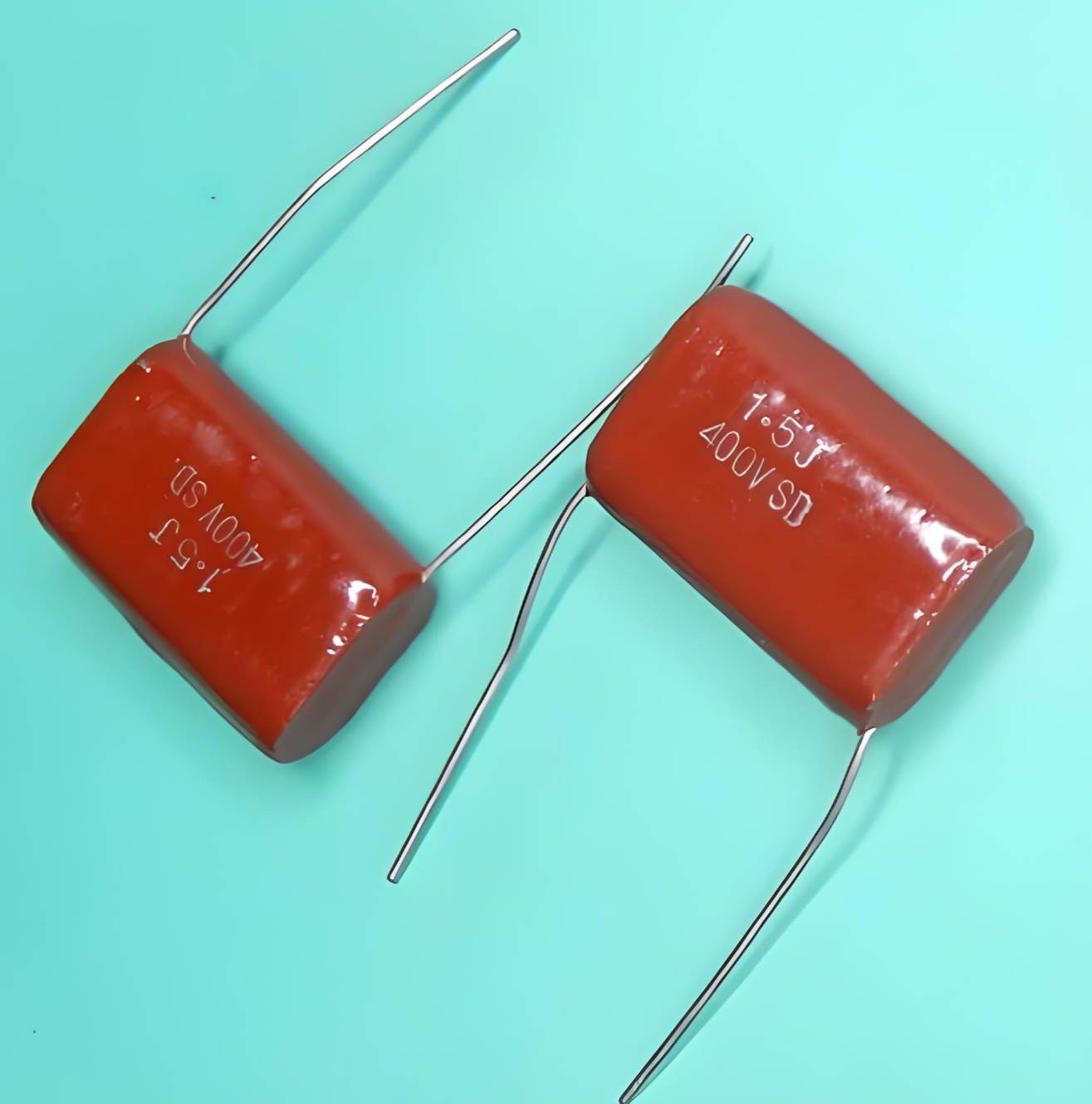
The evolution of inverter welder technology has rendered traditional electrolytic capacitors obsolete for high-performance applications. Rongtech's film capacitors, with their solid-state construction, ultra-low ESR, and self-healing capabilities, provide the reliability, efficiency, and safety required to power the next generation of industrial welding equipment. By choosing film over electrolytic, manufacturers are not just selecting a component; they are investing in the long-term performance and durability of their products.