The Role of DC-Link Capacitors in Stabilizing Arc Welding Current
The Role of DC-Link Capacitors in Stabilizing Arc Welding Current
The Heartbeat of Modern Welding: DC-Link as an Energy Reservoir
In the realm of modern inverter welding machines, the DC-Link capacitor is not merely a component; it is the critical energy reservoir that dictates the stability and quality of the welding arc. Positioned between the rectifier and the inverter stages, its primary function is to absorb and smooth the pulsating DC current from the rectifier. This process creates a stable DC voltage bus, which is essential for the inverter's high-frequency switching operations. Without this stabilization, the welding current would exhibit significant ripple and instability, leading to inconsistent arc characteristics. The capacitor's ability to rapidly charge and discharge ensures that even during rapid load changes—such as striking an arc or welding through contaminants—the energy supply remains consistent. This capability is fundamental to achieving the smooth, spatter-free welds demanded by industrial standards.
Beyond Smoothing: Mitigating Harmonics and Protecting IGBTs
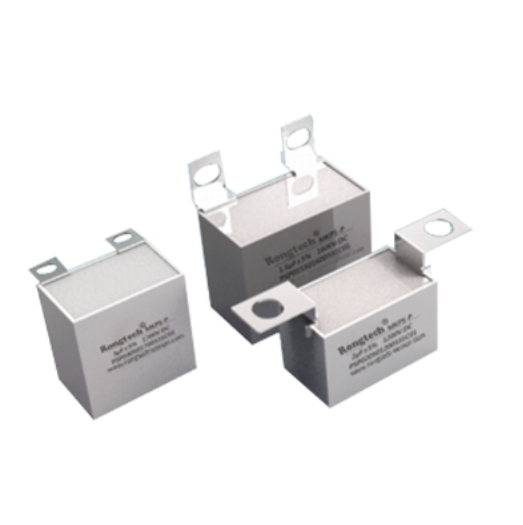
The role of the DC-Link capacitor extends far beyond simple voltage smoothing. Inverter welders operate at high frequencies (typically 20kHz or higher), generating substantial harmonic currents and voltage spikes. These high-frequency ripples, if left unchecked, can cause electromagnetic interference (EMI) and degrade the performance of sensitive control circuits. The capacitor acts as a low-impedance path for these high-frequency currents, effectively filtering them out and maintaining signal integrity. Furthermore, during the switching transitions of Insulated Gate Bipolar Transistors (IGBTs), the capacitor absorbs the surge currents that would otherwise cause destructive voltage spikes across the semiconductor switches. By clamping these voltage transients, the DC-Link capacitor protects the expensive power electronics from over-voltage stress, thereby enhancing the overall reliability and lifespan of the welding equipment.
Material Science at Work: Polypropylene Film for Superior Performance
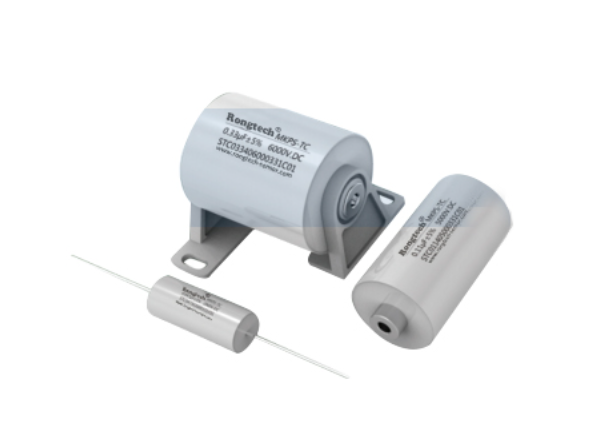
The exceptional performance of modern DC-Link capacitors in welding applications is largely attributed to the use of metallized polypropylene film (MKP). Unlike traditional electrolytic capacitors, which suffer from high Equivalent Series Resistance (ESR) and limited lifespan under high ripple currents, polypropylene film capacitors offer ultra-low ESR and excellent self-healing properties. This low ESR is crucial for minimizing heat generation within the capacitor, allowing it to handle the intense ripple currents generated by the inverter without overheating. The self-healing feature ensures that minor dielectric breakdowns are automatically isolated, preventing catastrophic failure and ensuring operational safety in demanding industrial environments. This robust construction makes polypropylene DC-Link capacitors the preferred choice for high-power, high-frequency welding machines where reliability and longevity are paramount.
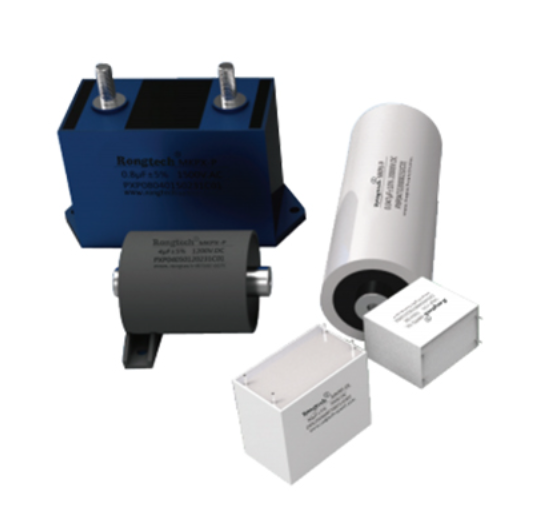
In summary, the DC-Link capacitor is the cornerstone of modern arc welding technology. By serving as a stable energy buffer, filtering harmful harmonics, and safeguarding critical power semiconductors, it enables the precise control and consistent performance that define high-quality welding processes. The adoption of advanced metallized polypropylene film technology further solidifies its role as an indispensable component for achieving efficiency and durability in industrial welding equipment.