Capacitors for 125°C Automotive Environments
Capacitors for 125°C Automotive Environments
The 125°C Benchmark: Why Standard Components Fail in Automotive
The automotive environment is one of the harshest on Earth for electronic components. While commercial-grade capacitors may operate up to 85°C, the under-hood and powertrain areas of modern vehicles, especially in electric vehicles (EVs) and high-performance systems, can easily reach ambient temperatures of 105°C to 125°C. Standard components at these temperatures experience accelerated aging, electrolyte evaporation, and a dramatic reduction in lifespan. Rongtech's 125°C automotive-grade capacitors are specifically engineered to withstand this thermal stress. They are designed to maintain stable electrical parameters, such as capacitance and equivalent series resistance (ESR), even at the upper limit of the temperature range. This thermal robustness is not an option but a necessity for ensuring the 10-15 year service life expected in the automotive industry, preventing premature failure in critical systems like engine control units (ECUs) and battery management systems (BMS).
Material Science at 125°C: The Shift to Advanced Dielectrics
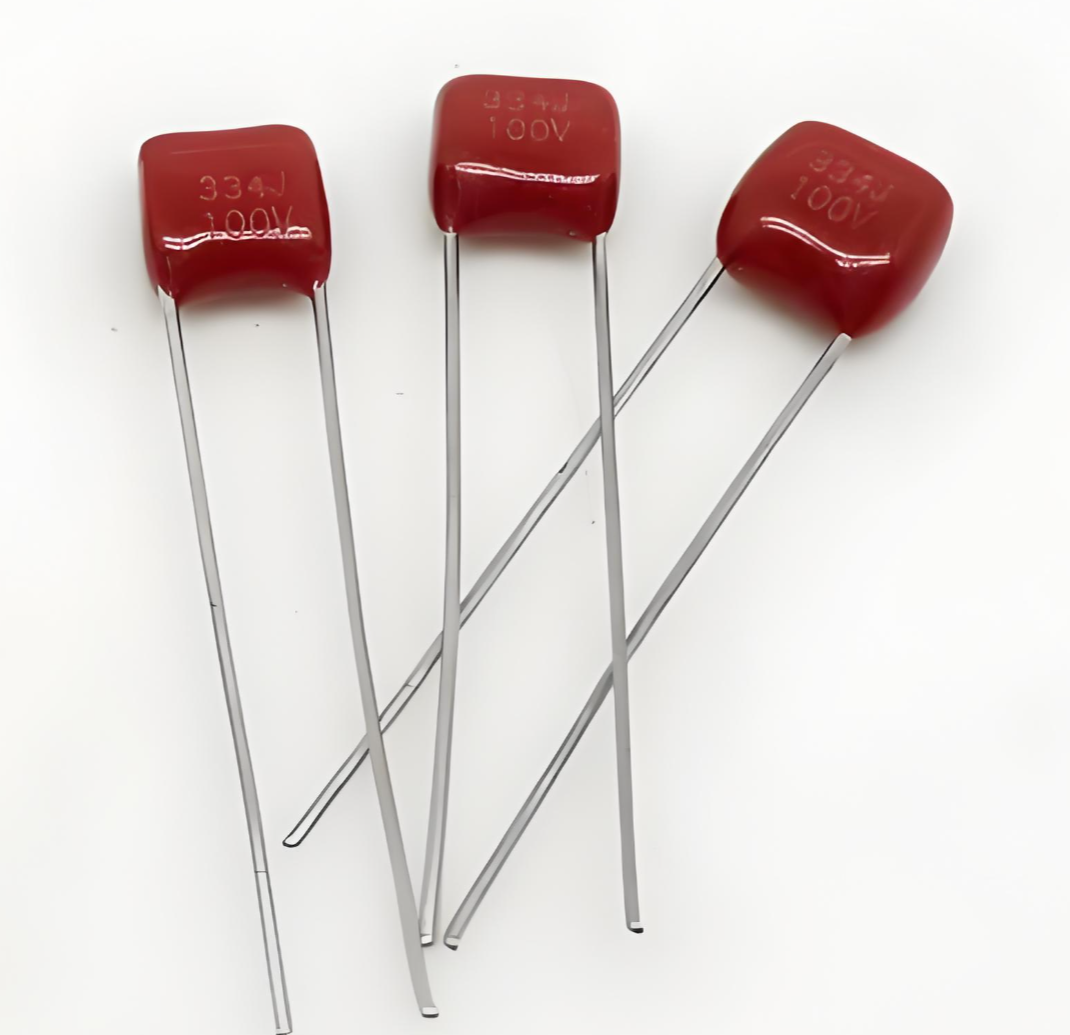
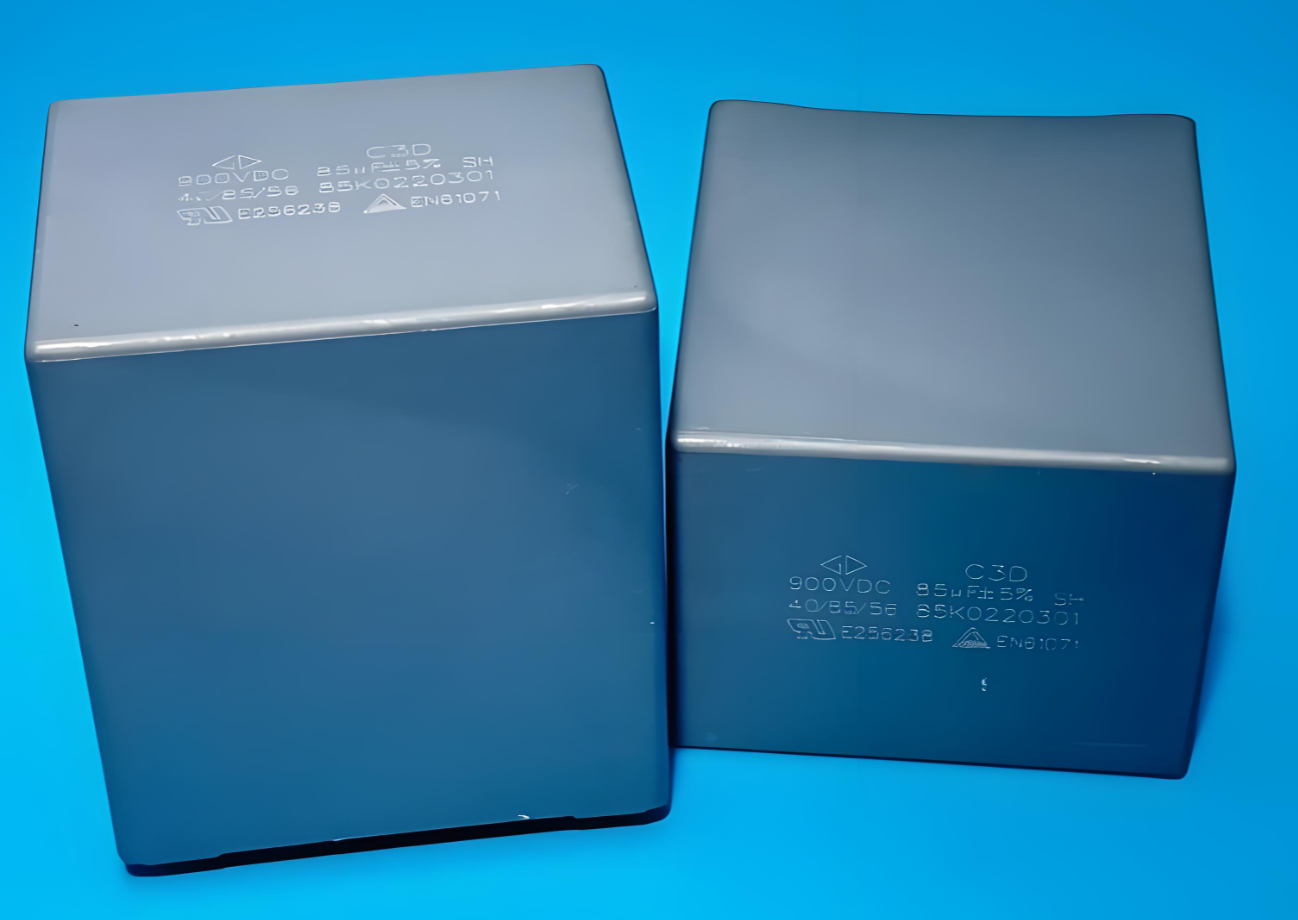
Achieving reliable performance at 125°C requires a fundamental shift in material science. Traditional electrolytic capacitors, which rely on liquid electrolytes, are prone to drying out and catastrophic failure under high thermal stress. Rongtech's solution leverages advanced metallized film technologies, such as metallized polypropylene (MKP) or specialized high-temperature polymers. These materials offer inherently low dissipation factors and excellent self-healing properties. At 125°C, the dielectric strength remains high, preventing breakdown under high voltage spikes common in automotive power electronics. Furthermore, the electrodes are designed with materials that resist oxidation and degradation, ensuring low ESR even after thousands of hours of operation. This material superiority translates directly into system efficiency, as lower losses mean less heat generation and higher power density for compact inverter and charger designs.
Applications in the Hot Zone: From Traction Inverters to On-Board Chargers
The primary application for 125°C capacitors is in the heart of the vehicle's electrical system. In EV traction inverters, these capacitors serve as DC-Link components, smoothing the high-current, high-frequency ripples from the switching of Silicon Carbide (SiC) or Gallium Nitride (GaN) transistors. Their ability to operate at 125°C without derating allows designers to place them closer to the heat source, reducing parasitic inductance and improving switching performance. Similarly, in on-board chargers (OBCs) and DC-DC converters, 125°C capacitors provide critical filtering and energy storage. They ensure stable voltage output for the 48V systems and high-voltage batteries, even when the ambient temperature soars during fast charging or aggressive driving cycles. By surviving in these "hot zones," Rongtech capacitors enable the miniaturization and increased power density that define the next generation of automotive electronics.
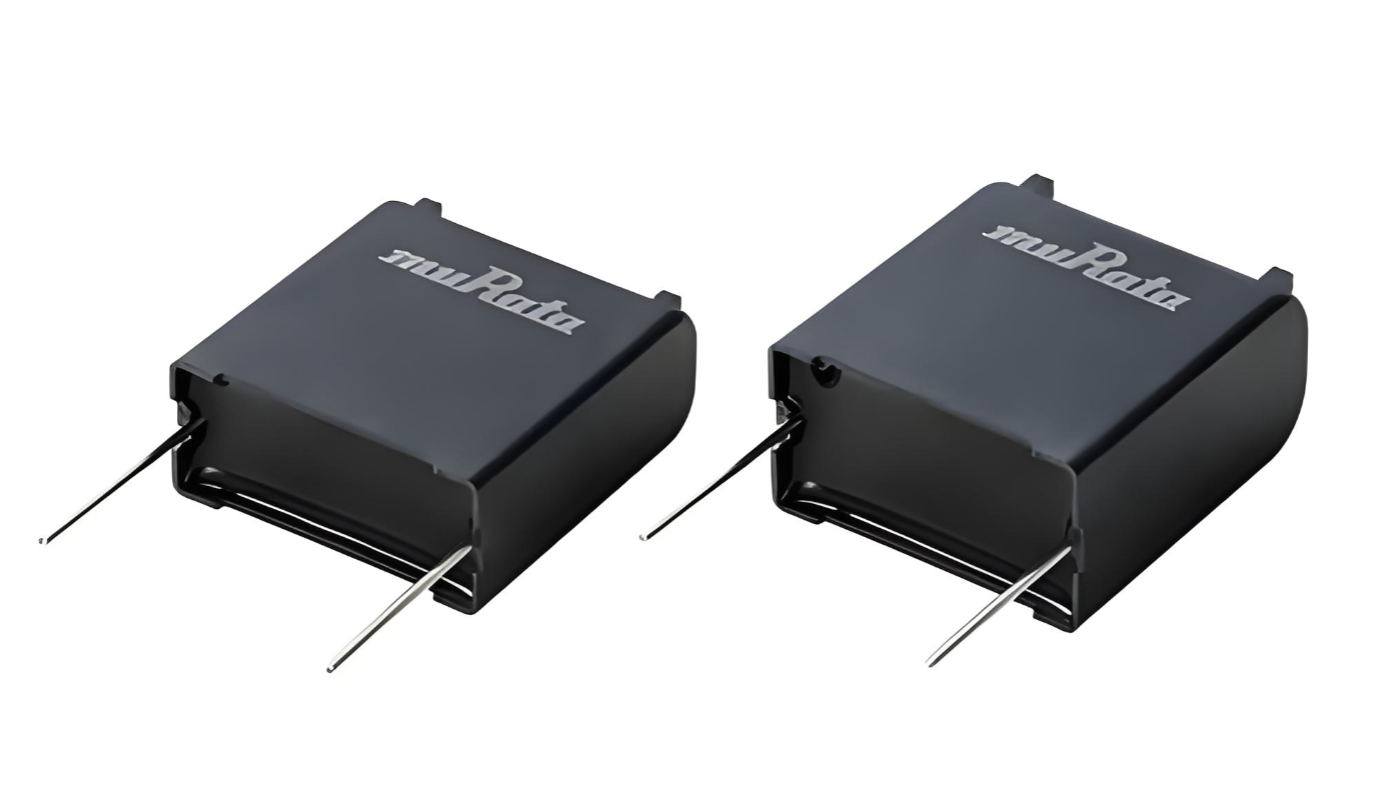
The demand for capacitors that can reliably operate at 125°C is no longer a niche requirement but a mainstream standard for automotive electronics. Rongtech's dedicated 125°C portfolio represents the intersection of thermal endurance, material innovation, and application-specific design, providing the foundational components that allow vehicles to perform reliably in the most extreme conditions.