When Is A Fluxgate Sensor Better Than A Hall Effect Sensor In Precision Measurement
Fluxgate and Hall-effect sensors are both magnetic sensing solutions, but they do not serve exactly the same level of measurement demand. Rongtech’s catalog includes both Hall-type current sensors and flux gate current and voltage sensors, which reflects a practical reality in power electronics: some systems only need practical isolation and decent accuracy, while others need very low drift and precision-grade measurement. TI’s current-sensing guidance and fluxgate materials show that fluxgate solutions are especially useful where higher precision and stable busbar measurement are required.
Hall Effect Is Often Better For Simpler And More Cost-Sensitive Designs
Hall-effect sensors remain very practical in many industrial systems because they provide non-contact isolation, useful current measurement, and relatively easy integration. TI’s Hall-effect and current-sensing materials explain that Hall-based sensing indirectly measures current through magnetic field detection and is widely used when isolation and straightforward implementation are needed. In applications such as general industrial drives, practical monitoring, and cost-sensitive power stages, Hall-based solutions are often sufficient.
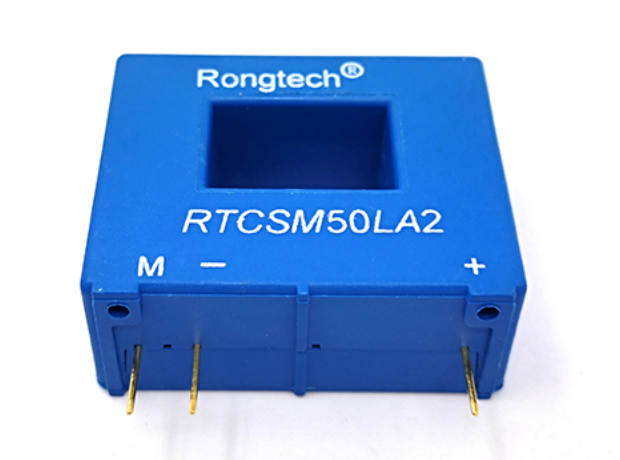
Fluxgate Becomes Better When Drift And Precision Matter More
Fluxgate sensors become more attractive when the design requires better precision over temperature, lower drift, and stronger long-term stability. TI’s fluxgate references describe the DRV425-based approach as suitable for high-precision busbar measurement, and battery-management materials highlight fluxgate use in isolated, precise top-of-stack current measurement in high-voltage battery systems. That means fluxgate is often better when the measurement result directly affects energy calculation, precision control, or high-value protection logic.
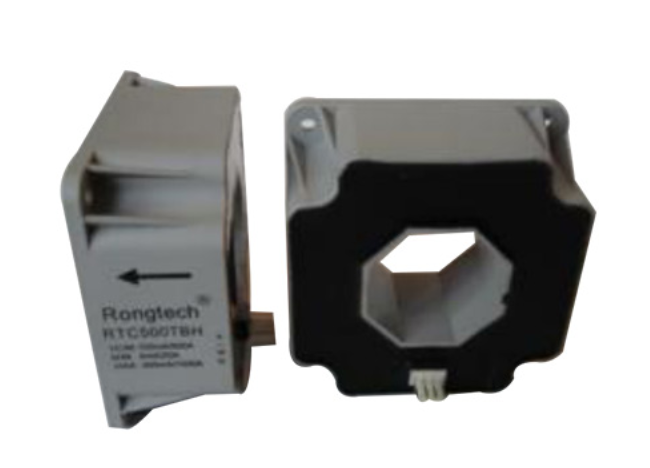
The Better Choice Depends On Total System Value, Not Just Sensor Performance
The better technology is not always the more precise one. Hall solutions may still be the better choice if the system does not need fluxgate-level accuracy, if board space is tight, or if cost control is more important than ultra-low drift. Fluxgate becomes the stronger option when the cost of measurement error is higher than the added component and integration cost. In other words, fluxgate is better when precision has direct system value.
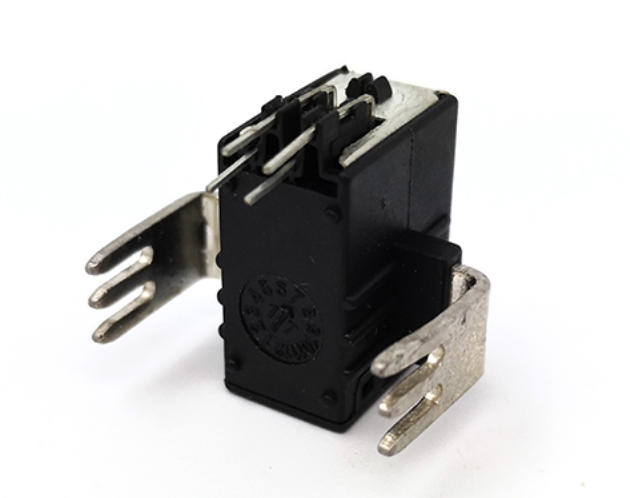
A fluxgate sensor is better than a Hall-effect sensor when the application values low drift, higher precision, and stronger long-term stability more than minimum cost and simpler integration. The right decision depends on the value of measurement accuracy inside the full system.