What Should Be Confirmed Before Finalizing A Voltage Sensor Selection
Voltage sensor selection is often underestimated because designers tend to focus first on current, switching devices, and control loops. In practice, voltage sensing quality directly affects protection, regulation, fault response, and overall power-system stability. Rongtech’s product lineup includes voltage sensors alongside current-sensing categories, and TI’s voltage-sensing materials emphasize that accurate AC and DC voltage measurement supports system performance, precise control, and protection, especially in isolated applications.
Confirm The Real Voltage Type, Range, And Isolation Need
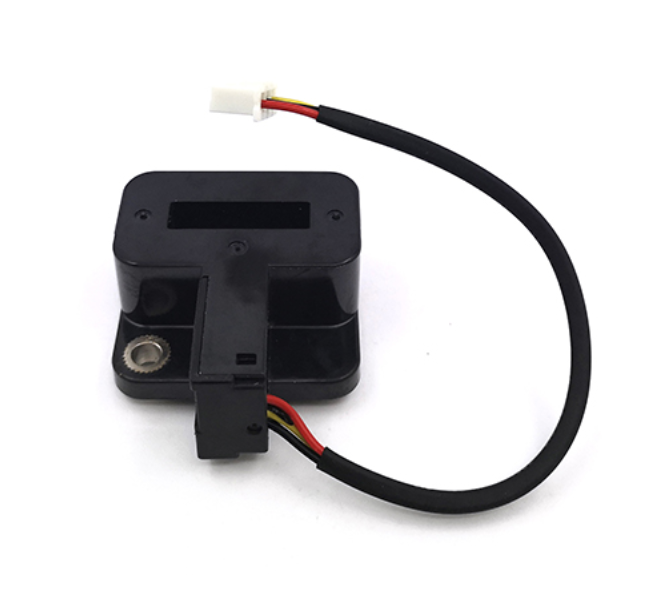
Before finalizing any voltage sensor, it is important to confirm whether the application measures AC, DC, pulsed, or high-side floating voltage, and whether the measurement must cross an isolation barrier. TI’s isolated-voltage-sensing guidance states that key selection criteria include isolation specifications, input voltage range, and application architecture, especially in motor drives and industrial power systems. A sensor chosen only by nominal voltage may still be wrong if it does not match the actual measurement location and isolation requirement.
Confirm Accuracy Under Real Operating Conditions
A voltage sensor that looks accurate in room-temperature conditions may behave differently under high common-mode voltage, switching noise, temperature rise, or long cable environments. TI’s voltage-sensing materials position isolated and non-isolated voltage measurement as key to control and protection, but that performance depends on how the measurement is implemented in the actual power stage. The useful question is not only “What is the nominal accuracy?” but “Will this accuracy still be acceptable in the real inverter, drive, or converter environment?”
Confirm Interface Compatibility And Layout Practicality
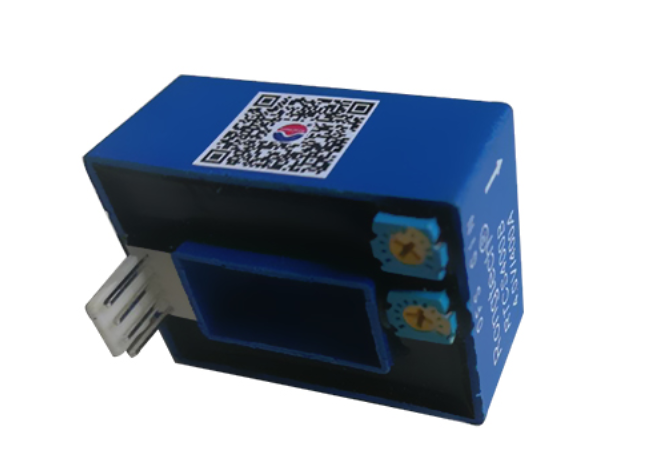
Voltage sensing is part of the control chain, not just a measurement block. TI’s isolated sensing articles show that supply method, side powering, and integration level can change implementation complexity. In practical selection, it is important to confirm whether the sensor output, input scaling, isolation strategy, and board layout actually fit the controller and protection architecture already planned. A sensor that reduces parts count but complicates isolation or calibration may not be the better choice.
Before finalizing a voltage sensor selection, confirm voltage type, isolation demand, real-environment accuracy, and control-interface compatibility together. A voltage sensor is correct only when it performs reliably inside the actual power system, not just on a datasheet.