What Should Be Checked Before Ordering A Ground Resistance Tester
A ground resistance tester is easy to underestimate because it looks like a simple maintenance tool. In practice, the wrong model can slow down field work, produce misleading readings in noisy environments, or force retesting because the selected method does not fit the grounding system. Official guidance from Fluke and Megger shows that ground testing is not one single job: depending on the site, you may need 2-pole, 3-pole, 4-pole Fall-of-Potential, selective, stakeless, or soil resistivity testing. That is why the first procurement question should never be “Which model is cheapest?” but “Which test situations must this instrument actually handle?”
Check The Test Method First: 3-Pole, 4-Pole, Clamp, Or Stakeless
The most important thing to confirm before ordering is the required test method. Fluke’s earth-ground resources show that modern ground testers may support 3- and 4-pole Fall-of-Potential testing, selective testing, stakeless testing, and 2-pole testing, while Megger notes that a four-terminal model is essential for soil resistivity work and that three-terminal testing is commonly used for installation or maintenance testing. In other words, the instrument should be chosen around the actual job: new grounding system verification, routine maintenance, testing in a live multi-grounded facility, or soil design work before installation.
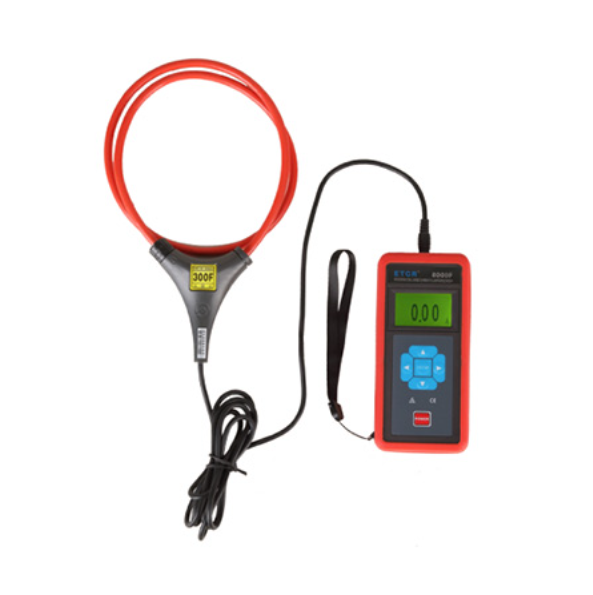
A clamp-based or stakeless model is not automatically the best choice just because it is faster. Fluke states that stakeless testing is preferred when parallel grounds are present and where auxiliary stakes are difficult to place, but it is not suitable when there is only one path to ground, such as many residential or new-installation situations. In those cases, Fall-of-Potential testing with stakes is the appropriate method. That means one of the biggest pre-order mistakes is buying a clamp-only tool for applications that really need stake-based testing.
It is also worth confirming the performance target of the grounding system before choosing the tester. Megger notes that 5 Ω is a common rule of thumb for many commercial and industrial installations, while more sensitive applications such as computer rooms, telecom facilities, and substations may require 2 Ω or even less. The instrument therefore needs enough resolution and confidence at low values, not just a wide headline range.
Check Accuracy, Resolution, And Interference Handling For Real Field Conditions
After the method is confirmed, the next thing to check is measurement quality under real conditions. Megger points out that extra display digits can improve accuracy and resolution, and that the fourth terminal is useful when very low resistance measurements require elimination of lead resistance. Fluke’s specifications for basic and advanced testers also show that factors such as probe resistance, temperature, and series interference voltage can influence readings. This matters because a tester that looks fine in a catalog may become frustrating on site if it cannot deliver stable values in low-resistance or high-interference conditions.
Electrical noise is one of the biggest reasons field readings become unreliable. Fluke states that the 1625-2 uses Automatic Frequency Control to identify existing interference and choose a measurement frequency that minimizes its effect, and its published specifications include interference-voltage measurement, noise rejection, and limits above which measurement will not start. On clamp models, Fluke also highlights a selectable band-pass filter to remove unwanted noise from AC leakage-current measurement. These are not “nice extras.” In substations, industrial facilities, renewable-energy sites, and other noisy locations, interference handling can be the difference between a useful instrument and one that repeatedly sends technicians back for retesting.
Site conditions should also be checked before you choose the instrument. Fluke’s guidance notes that soil type, moisture, and temperature strongly affect grounding, and that arid or rocky environments often have much higher resistance. It specifically recommends a 4-point test for more accurate soil resistivity measurement before installation in such conditions. So if the intended use includes difficult soils, design-stage verification, or troubleshooting poor grounding performance, a simple maintenance-grade tester may not be enough.
Check Safety, Ruggedness, Data Logging, And Overall Field Efficiency
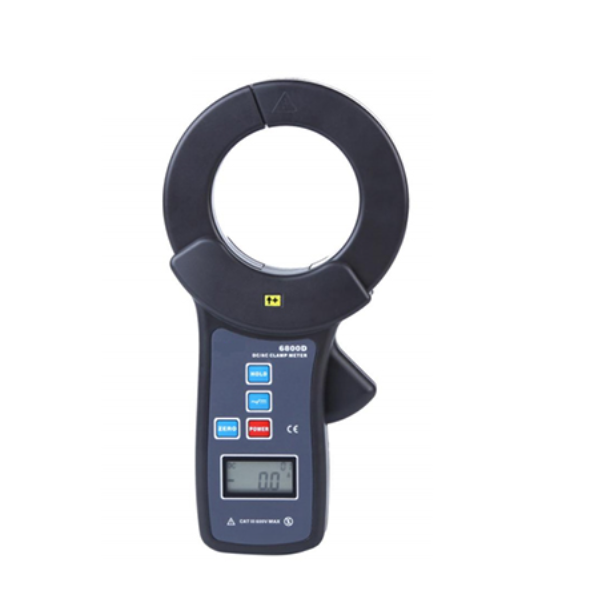
Before ordering, the instrument’s safety and environmental suitability should be confirmed just as carefully as its measurement method. Fluke’s published specifications for earth testers include IEC/EN 61010-1 safety information, maximum permissible voltages at input terminals, protection type, EMC compliance, and operating temperature range. Megger’s CAT-rating guidance also emphasizes that where an instrument is used determines the level of protection required. So the practical buying question is whether the tester’s safety category, input limits, IP protection, and environmental range match the sites where it will actually be used, not just whether it can make a reading on a bench.
Field efficiency is another point that affects total cost more than many teams expect. Fluke states that advanced earth testers can store up to 1,500 records via USB, while its clamp model can save up to 32,760 measurements in memory and record data automatically at preset intervals. It also notes features such as IP56 outdoor protection on the 1625-2, rugged carrying cases, gloved-hand usability, and the ability to work indoors or on fully paved areas where stakes cannot be driven. For procurement, this means a tester should be judged not only by measurement capability, but also by how quickly it can complete the work, document the results, and survive daily field handling.
Finally, think about lifecycle value rather than only the initial purchase price. Fluke notes that ground systems should be tested periodically because corrosion and changing soil conditions can make an originally acceptable system ineffective over time. If the instrument will be used for recurring inspections, trend comparison, and maintenance records, then memory, download capability, and repeatable measurement quality matter far more than saving a small amount upfront.
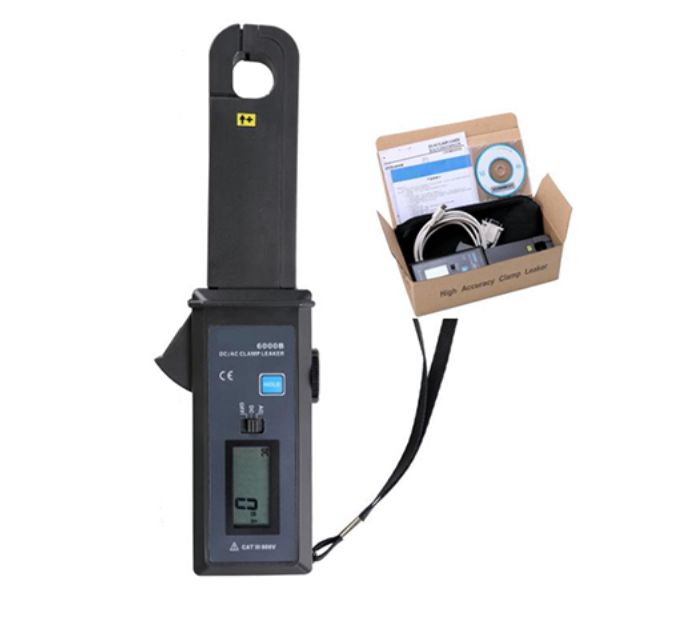
Before ordering a ground resistance tester, the key checks are straightforward: confirm the right test method for the job, confirm that the instrument can deliver stable readings in the real field environment, and confirm that its safety, durability, and data-handling features support long-term use. The right instrument is not simply the one with the longest feature list. It is the one that matches the grounding system, the site conditions, and the way the testing team actually works.