What Safety Margins Should Be Considered When Selecting A Voltage Sensorc
Selecting a voltage sensor is not only about matching the nominal system voltage. In real power electronics, the safer and smarter decision is to build in enough margin for insulation, overvoltage, surge events, thermal drift, and long-term operating conditions. Official application notes and datasheets from LEM, TI, and Allegro all point to the same principle: voltage sensing in motor drives, solar inverters, UPS systems, EV platforms, chargers, and energy storage systems must be evaluated against real working voltage, isolation requirements, transient stress, and installation environment, not just the normal operating value printed on the front page of a datasheet.
Working Voltage Margin And Isolation Margin
The first safety margin to confirm is the gap between the system’s real working voltage and the voltage sensor’s approved operating capability. This means more than checking whether the sensor can “measure” the voltage. It means confirming whether its insulation system is suitable for the actual bus voltage, control topology, and compliance target. LEM’s high-voltage transducer documentation shows that insulation performance is defined with items such as AC insulation test voltage, partial discharge test voltage, creepage distance, clearance distance, comparative tracking index, and the application assumptions tied to standards such as IEC 61010-1 and EN 50178, including overvoltage category OV3 and pollution degree PD2. In practice, this means a low-voltage control board inside a high-voltage inverter may require a very different insulation margin than a lower-stress monitoring circuit.
A second question is whether the application needs basic insulation, double insulation, or reinforced insulation. Allegro’s isolation guidance explains that most standards protect users by requiring either two levels of protection or one reinforced insulation barrier. TI’s isolation materials also note that reinforced designs often demand significantly larger creepage and clearance distances than basic isolation designs. So before selecting a voltage sensor, the key procurement question is not only “What is the rated isolation voltage?” but also “What insulation class does this application actually require, and does the sensor package, board layout, and mounting method really support it?”
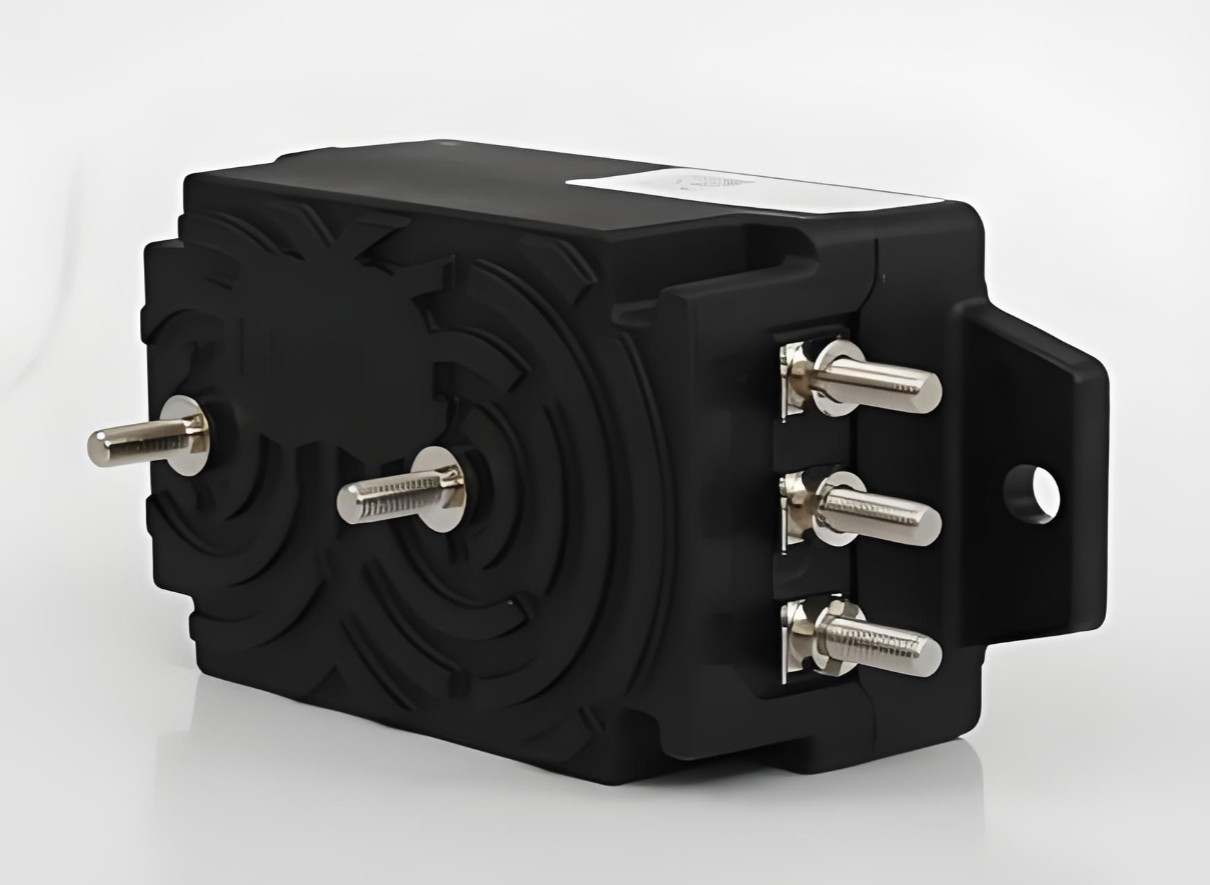
Surge Margin, Transient Margin, And Environmental Margin
The second major safety margin is the difference between normal operating voltage and what the system will experience during surges, switching events, and abnormal conditions. TI’s isolation guidance highlights that engineers must evaluate working voltage, transient voltage, pollution degree, and altitude when determining minimum creepage and clearance. TI also notes that reinforced isolation applications may require devices that can survive very high surge pulses. This is especially relevant in motor drives, solar inverters, chargers, and other switching systems where dv/dt stress, grid disturbances, and surge pulses are part of real operation, not rare accidents. A voltage sensor that matches the nominal voltage but leaves too little headroom for surge conditions can still become the weak point in the system.
Environmental margin matters just as much. LEM’s selection guidance points to thermal conditions, cooling, vibration, operating temperature range, and proximity to other conductors or magnetic fields as real application factors. TI’s recent isolated voltage sensing material also emphasizes that accurate high-voltage measurement is required in EVs, ESS, solar inverters, and motor-control systems, where efficiency and safe control depend on measurement stability. In practical procurement terms, that means leaving margin not only for voltage spikes, but also for heat rise inside the cabinet, long-term drift, contamination, and installation stress. A sensor that performs well in a lab can still drift, age, or lose margin in a hot enclosure with switching noise and tight spacing.
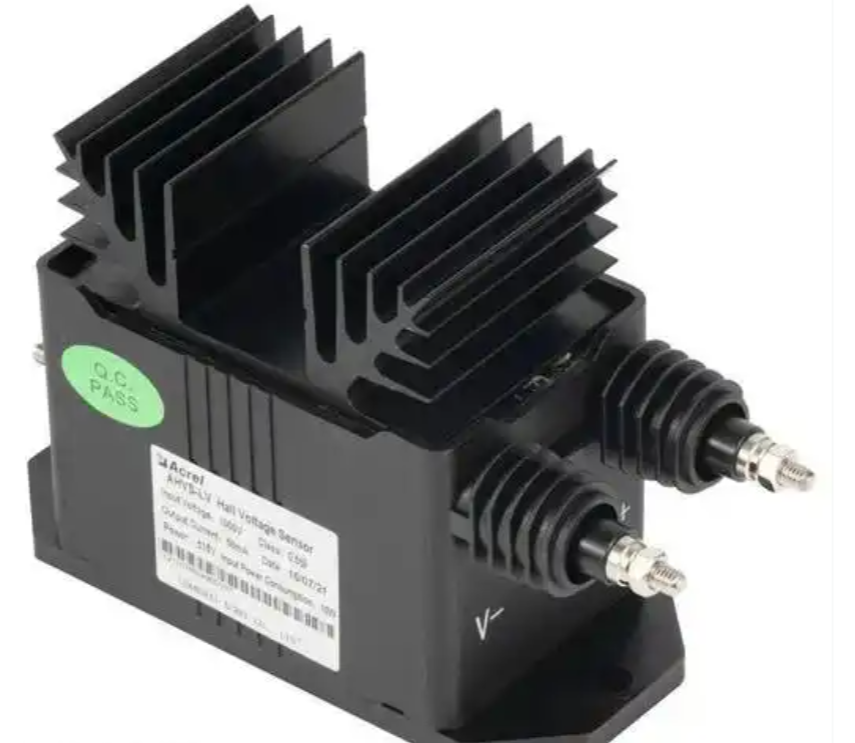
Design Margin For Dividers, Interfaces, And Long-Term Reliability
The third safety margin is system-level design margin. Some voltage sensors require external resistor networks or other signal-conditioning stages. LEM’s closed-loop voltage transducer documentation states that, for voltage measurement, a current proportional to the measured voltage must pass through an external resistor selected by the user and connected in series with the primary circuit. TI likewise points out that stand-alone high-voltage resistor ladders may take significant PCB space and must still maintain the system’s isolation ratings. This means the safe selection of a voltage sensor is never only about the sensing core. It also depends on divider design, resistor tolerance, heat dissipation, PCB spacing, and how the output connects to the downstream ADC or controller. If those surrounding components have too little margin, the full sensing chain may fail even when the sensor itself looks correctly specified.
Long-term reliability margin is the final check. LEM’s voltage transducer data highlights advantages such as low thermal drift, high bandwidth, low response time, and high immunity to external interference, while TI emphasizes factory calibration and improved efficiency in integrated isolated voltage sensing devices. These are not just nice technical details; they affect whether the measured signal remains trustworthy over years of service. For procurement decisions, the better question is often not “Can this sensor survive the voltage?” but “Will this sensing solution still be stable, accurate, and compliant after long operating hours, repeated switching cycles, and aging of surrounding components?” The most cost-effective choice is usually the one with enough margin to avoid redesign, nuisance failures, and hidden lifecycle cost later.
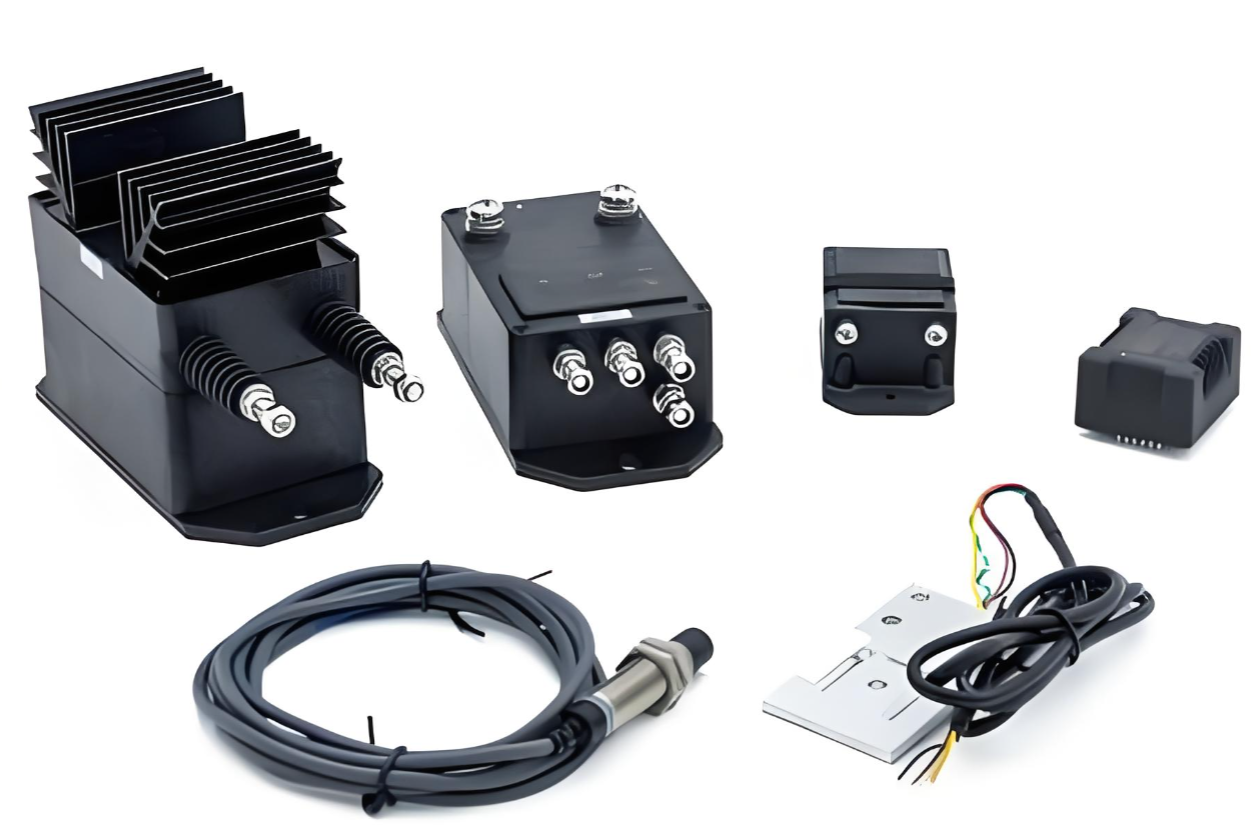
When selecting a voltage sensor, the most important safety margins are working voltage margin, insulation margin, surge and transient margin, environmental margin, and system-level interface margin. A safer choice is not simply the one that matches the nominal voltage range. It is the one that still has enough headroom when real switching stress, thermal load, insulation requirements, PCB spacing, and long-term drift are taken into account. That is the difference between a voltage sensor that merely works on paper and one that supports reliable operation in the field.