What Should Be Checked Before Choosing A DC-DC Converter For Industrial Equipment
DC-DC converter choice is often treated as a low-level subcircuit decision, but in industrial equipment it directly affects efficiency, EMI, thermal performance, transient response, and power-rail stability. Rongtech’s catalog includes DC-DC converters alongside other power-conversion categories, and TI’s DC-DC materials show that topology, efficiency, EMI, and output behavior are key design and selection concerns. Choosing correctly means checking the converter as part of the industrial system, not as an isolated regulator block.
Check Input Range, Output Rail Behavior, And Topology Match
Industrial equipment often includes rails with different input conditions, transients, and load priorities. TI’s DC-DC materials and topology guides explain that converter topology affects voltage conversion behavior, ripple, and dynamic response, and that applications vary widely in what they need from a rail. That means the first check is whether the converter topology really matches the input range, output target, and transient profile of the intended industrial rail.
Check Efficiency, Ripple, And Load-Transient Performance
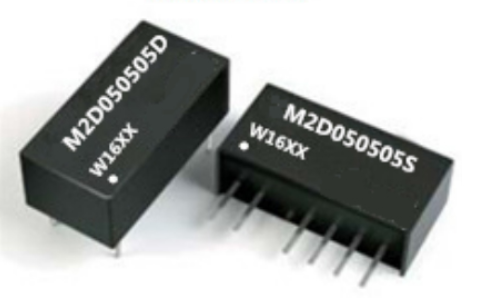
TI’s DC-DC selection materials highlight efficiency as a major goal, but also show that output fluctuation, overshoot, undershoot, and transient response matter significantly in real applications such as storage and sensitive rails. A converter with high efficiency but weak transient control may still create rail-quality problems in industrial systems. The better choice is the one that holds output behavior within acceptable limits during real load changes.
Check EMI And Thermal Margin In The Finished Industrial Design
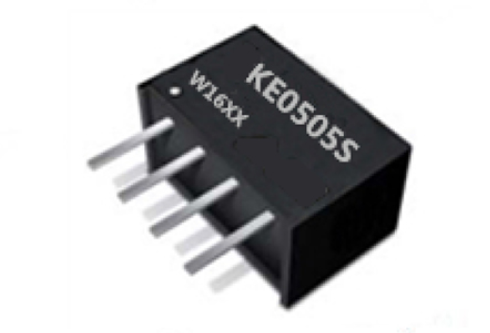
TI’s EMI and DC-DC guidance makes clear that switching converters must be judged by their noise behavior and layout implications as well as by electrical performance. Industrial equipment often has denser layouts and stricter reliability expectations than simpler consumer products. That means a DC-DC converter should be selected not only for nominal rail performance, but also for how manageable its EMI and thermal behavior are in the final equipment.
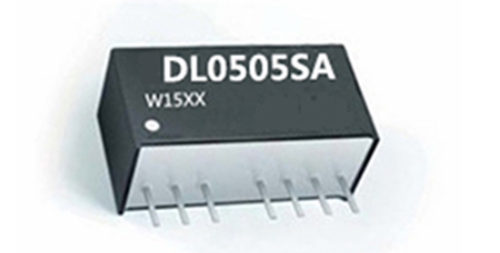
Before choosing a DC-DC converter for industrial equipment, check topology fit, rail behavior under transient load, efficiency, EMI, and thermal margin together. The right converter is the one that keeps the industrial power rail stable in real operation.