The Role of Sensor ICs in Modern Power Management Systems
The Role of Sensor ICs in Modern Power Management Systems
Sensing the Core: From Passive Protection to Active Intelligence
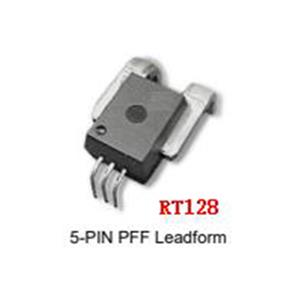
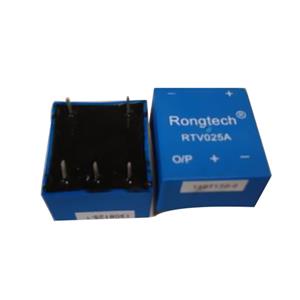
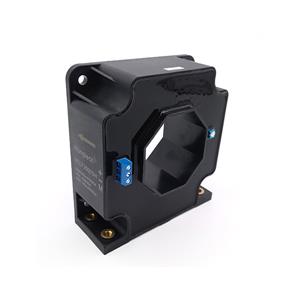
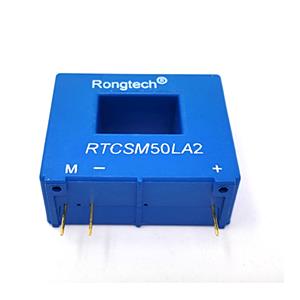
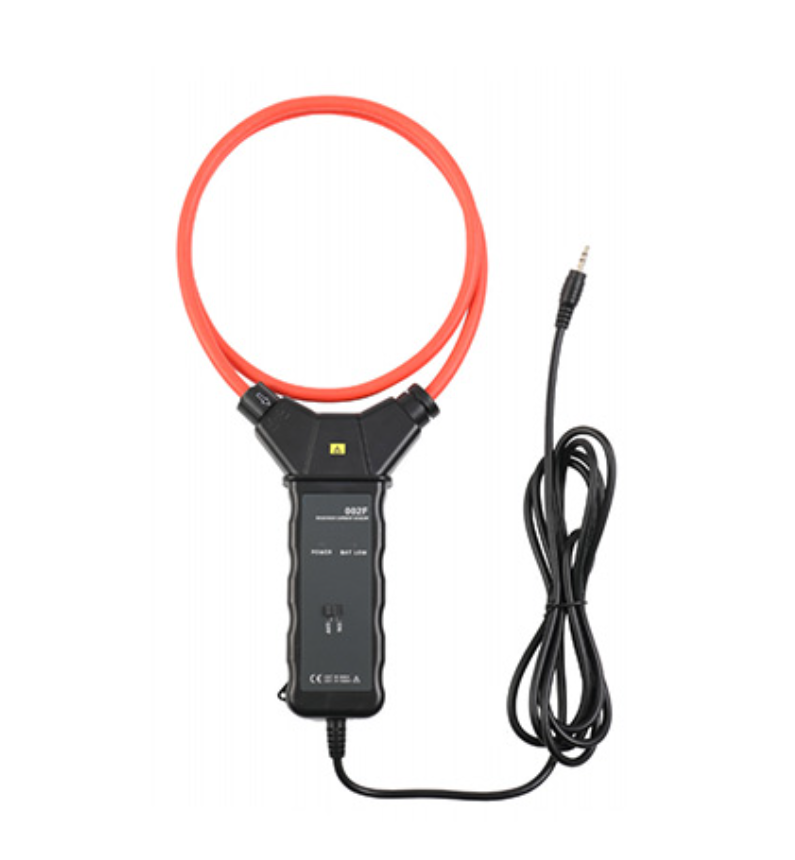
In the realm of modern power management, the shift from simple, brute-force regulation to intelligent, adaptive control is fundamental. Sensor Integrated Circuits (ICs) are the pivotal enablers of this transformation. Moving beyond basic functions like overcurrent protection, contemporary power systems, especially in applications like Electric Vehicles (EVs), renewable energy inverters, and high-density servers, demand real-time, granular data on system health. Sensor ICs, such as those in Rongtech's portfolio, provide this critical visibility. They precisely measure key parameters—not just current, but also voltage, temperature, and even magnetic field strength—directly on the power stage or at critical nodes. This data is the foundational layer for all intelligent management, converting analog physical phenomena into clean, reliable digital or analog signals that microcontrollers (MCUs) or dedicated power management ICs can process. Without the precise initial sensing, any advanced control algorithm is rendered ineffective. Rongtech's sensor solutions, from dedicated sensor chips to integrated solutions, ensure that the "nervous system" of the power management unit is accurate and responsive, forming the bedrock upon which efficiency and reliability are built.
Enabling Precision, Efficiency, and Predictive Diagnostics
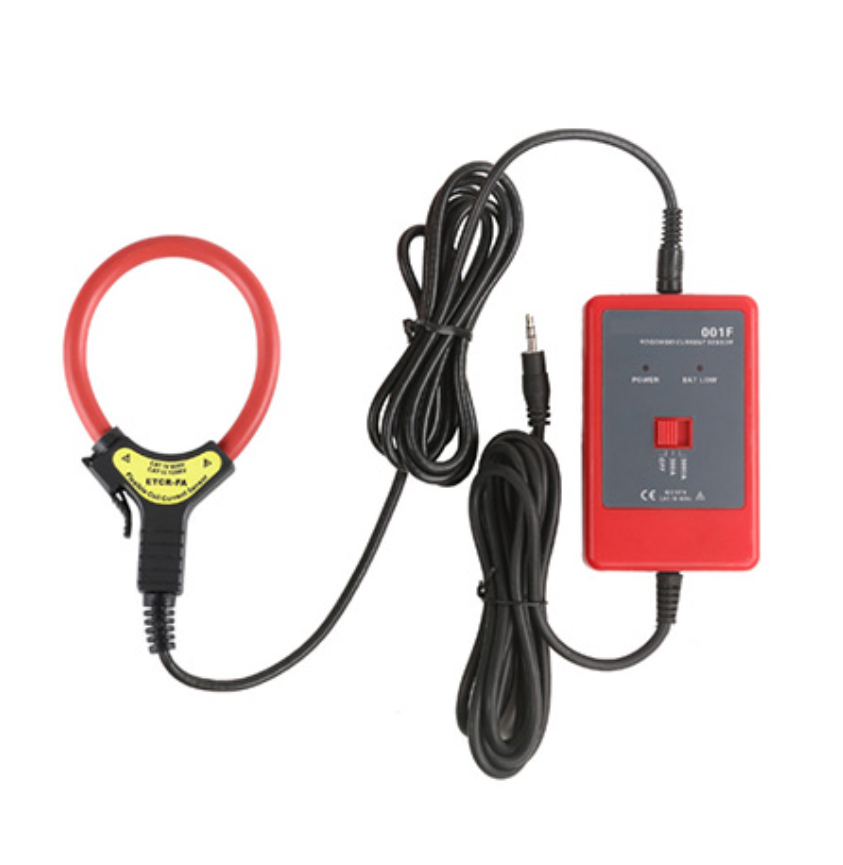
The true value of Sensor ICs unfolds in their direct contribution to system performance. Firstly, they enable precision control. In a switched-mode power supply, knowing the exact inductor current (through hall-effect or shunt-based sensor ICs) allows for optimal timing of switching events, minimizing losses and improving transient response. Secondly, they are central to maximizing efficiency. By continuously monitoring voltage and current, the system can calculate real-time power consumption and dynamically adjust operating points—a technique crucial for maximizing battery life in portable devices or solar harvest in photovoltaic systems. Rongtech's high-accuracy current sensors are pivotal here. Thirdly, and increasingly important, is the role in predictive diagnostics and health monitoring. Temperature sensor ICs monitoring a MOSFET's junction or a capacitor's case can predict thermal runaway. Current sensors can detect subtle changes in motor winding resistance or capacitor Equivalent Series Resistance (ESR), flagging potential failures before they cause downtime. This predictive capability, powered by reliable data from Sensor ICs, transforms maintenance from reactive to proactive, drastically improving system uptime and safety.
Integration and the Path Forward: Smarter, Smaller, More Integrated
The evolution of Sensor ICs is characterized by relentless integration and miniaturization. The trend is towards combining sensing, signal conditioning, analog-to-digital conversion, and even basic communication interfaces (like I2C or SPI) into a single, compact package. This highly integrated approach simplifies system design, reduces the PCB footprint, and enhances reliability by minimizing external component count and interconnection points. Rongtech's offerings in this space reflect this trend, providing solutions that reduce design complexity for engineers. Looking ahead, the future lies in even tighter integration with power stages (e.g., senseFETs with built-in current sensing) and the development of "smart sensor" ICs that include local processing capabilities. These intelligent sensors could perform initial data analysis, implement local control loops, or communicate directly with system managers via digital buses, offloading tasks from the main MCU. This paves the way for decentralized, robust, and scalable power management architectures, particularly vital for complex systems like EV powertrains and industrial automation panels.
In conclusion, Sensor ICs have evolved from simple protective components to the essential sensory organs of modern power management systems. They provide the critical, accurate data required for precision control, peak efficiency optimization, and forward-looking system health monitoring. As technology advances towards greater integration and intelligence, the role of these components, as exemplified by Rongtech's diverse portfolio, will only become more central. They are the indispensable link that translates the physical realities of power flow into actionable intelligence, enabling the smarter, more efficient, and more reliable electronic systems that will define our technological future.