The Role of High-Precision Shunt Resistors in EV Fast Charging Stations
The Role of High-Precision Shunt Resistors in EV Fast Charging Stations
1. Ensuring Safety and Battery Health Through Precise Current Measurement
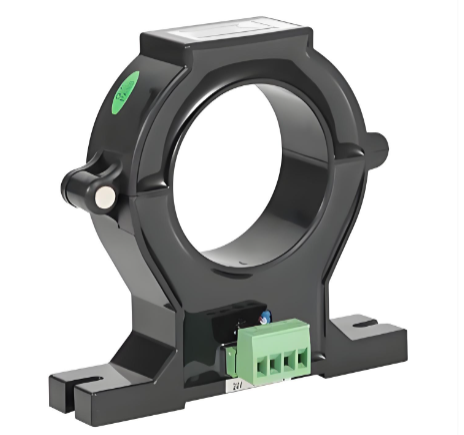
In the high-stakes environment of an EV fast-charging station, electrical currents can exceed hundreds of amperes. The primary role of a high-precision shunt resistor is to act as a steadfast sentinel, providing a critical feedback signal to the battery management system (BMS) and the charger's control unit by accurately measuring this massive current flow. Unlike common shunts, high-precision variants, like those offered by Rongtech, are characterized by their extremely low resistance value (milliohm level) and an exceptionally low temperature coefficient of resistance (TCR). This ensures that the voltage drop across the resistor, which is proportional to the current according to Ohm's Law (V=IR), is measured with minimal error, even as the component heats up under load. This accuracy is non-negotiable for preventing overcurrent conditions that could lead to catastrophic battery damage, overheating, or safety hazards. By delivering a reliable measurement, the shunt resistor enables the system to operate safely at its maximum designed power, ensuring that the vehicle's battery—a significant portion of the car's cost—is charged efficiently and without compromise to its longevity or safety.
2. Maximizing Charging Efficiency and Speed
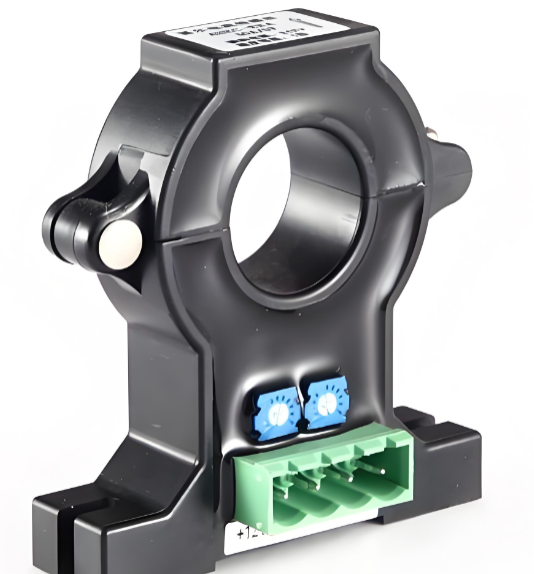
For EV owners, the core promise of a fast-charging station is minimized downtime. Achieving the fastest possible charge speed is a delicate dance of pushing the maximum allowable current into the battery without exceeding its limits. High-precision shunt resistors are pivotal in this optimization process. They provide the real-time, granular data on current flow that the charger's control algorithm needs to dynamically adjust its output. With an inaccurate current reading, the control system would have to incorporate a larger safety margin, effectively derating the charging power to avoid potential risks. This conservative approach results in longer charging times. A high-precision shunt, however, instills confidence in the control system. By guaranteeing measurement accuracy, it allows the charger to operate much closer to the battery's true thermal and electrical thresholds, thereby facilitating optimal power transfer and significantly reducing the time required to reach a sufficient charge level. This translates directly to higher throughput for charging station operators and a superior user experience for drivers.
3. The Hallmark of Quality: Stability Under Extreme Conditions
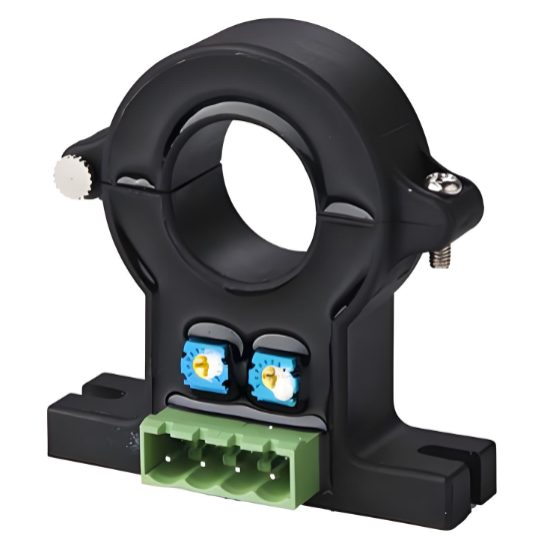
The operational environment within a fast-charging cabinet is demanding, subjecting components to significant temperature fluctuations and continuous high-power cycles. Not all shunt resistors are created equal. Standard shunts can exhibit significant drift in their resistance value as temperature changes, leading to measurement inaccuracies that compound over time. High-precision shunt resistors from reputable suppliers like Rongtech are engineered for stability. They are constructed using advanced materials such as manganese-copper or low-TCR alloys, and are often manufactured with techniques like metal strip or thick-film construction on ceramic substrates to ensure minimal parasitic inductance. This focus on stability and low inductance is critical for accurately measuring the pulsed DC currents typical of modern chargers without signal distortion. This robust construction ensures that the charging station's performance remains consistent and reliable over its entire lifespan, even in harsh conditions, reducing maintenance needs and ensuring long-term operational integrity.
Summary
In conclusion, high-precision shunt resistors are indispensable, albeit often overlooked, components that sit at the heart of EV fast-charging technology. They are fundamental to guaranteeing the safety of the charging process, optimizing the speed and efficiency that define the fast-charging experience, and ensuring the long-term reliability and stability of the charging infrastructure. As the demand for faster and more powerful charging solutions grows, the role of these highly accurate and robust components will only become more critical.