How To Choose The Right MOSFET For High-Efficiency Power Switching
MOSFET selection for high-efficiency power switching is never only about voltage and current rating. In practical power systems, switching loss, conduction loss, avalanche ruggedness, package behavior, and application topology all shape the final result. Rongtech’s product categories include MOSFETs as part of a broader power-electronics lineup, and onsemi’s MOSFET documentation shows that designers must pay attention to switching conditions, avalanche behavior, and package-related performance, not just headline parameters.
Start With The Real Switching Topology And Stress
The first step is to match the MOSFET to the real switching condition. onsemi’s MOSFET application materials note that different applications place very different stress on the switch, while Infineon’s hard-commutation note shows that commutation conditions can strongly influence device ruggedness. A MOSFET used in a hard-switched power stage must be judged differently from one used in lighter-load or softer-switching conditions.
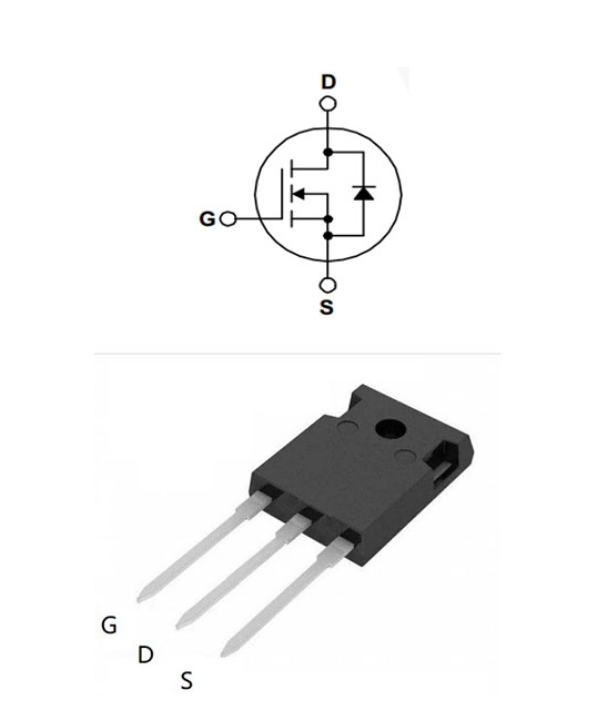
Balance Conduction Loss, Switching Loss, And Ruggedness
A MOSFET with lower on-resistance can reduce conduction loss, but if the switching characteristics, charge behavior, or dynamic ruggedness are not suitable, total efficiency may still suffer. onsemi’s MOSFET resources and application notes around avalanche and switching behavior show that device robustness under transient and hard-switching conditions is part of real-world selection. High efficiency comes from balancing RDS(on), switching speed, and application-specific stress, not from chasing the lowest conduction number alone.
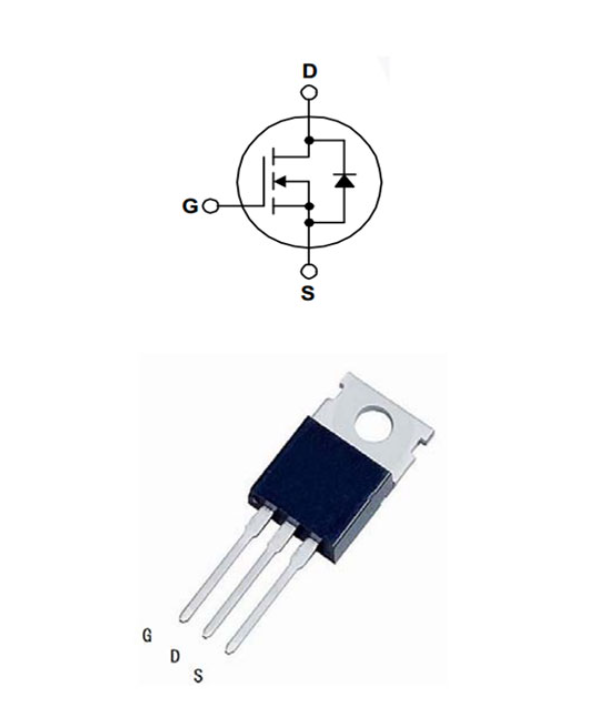
Confirm Package, Thermal Path, And Layout Friendliness
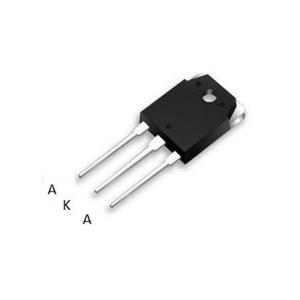
The package determines far more than board footprint. It shapes thermal path, parasitic inductance, assembly convenience, and real switching behavior. onsemi’s MOSFET portfolio materials and packaging notes show that package choice matters in density and thermal performance, while real switching designs are sensitive to layout quality. A MOSFET that looks ideal electrically may still underperform if the package and layout make switching noise or heat harder to manage.
The right MOSFET for high-efficiency switching is the one that matches the real switching topology, balances conduction and switching losses, and fits the thermal and layout conditions of the finished design.