What Safety Margins Should Be Considered When Selecting A Thyristor
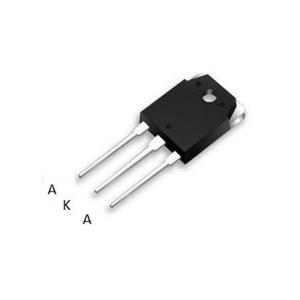
Thyristor selection is often treated as a current-and-voltage exercise, but practical safety margin depends on much more: surge capability, dv/dt, di/dt, gate-trigger behavior, and thermal stress. Rongtech offers thyristors in its power-device range, and ST’s thyristor application notes explicitly describe how proper selection depends on application-specific behavior rather than only static ratings.
Leave Margin On Voltage, Current, And Surge Conditions
A thyristor may survive nominal current yet still fail in startup, fault, or surge conditions if margin is too narrow. ST’s thyristor-selection guidance highlights that application-based choice requires checking repetitive blocking voltage, conduction current, and non-repetitive surge conditions together. In industrial control, rectification, and phase-control applications, surge events and abnormal load conditions are often as important as normal operation.
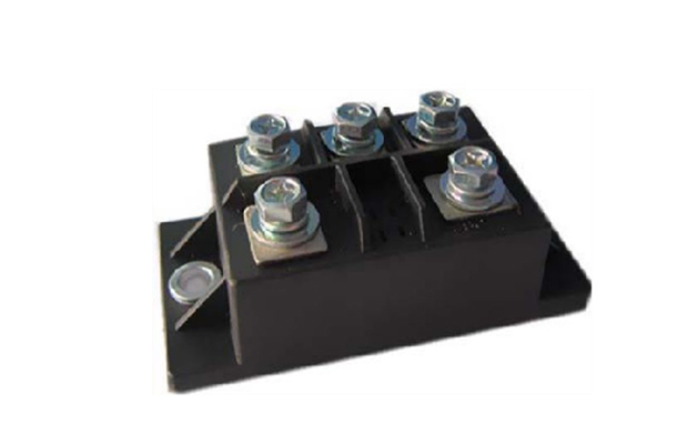
Check dv/dt, di/dt, And Trigger Behavior
ST’s thyristor notes explain that thyristor behavior is strongly linked to dynamic parameters such as dv/dt and trigger conditions. A part that looks safe in static terms can still misbehave if switching edges or load conditions force unwanted triggering or overstress. This is why safety margin should include not only blocking voltage but also dynamic ruggedness and gate-trigger compatibility with the intended control circuit.
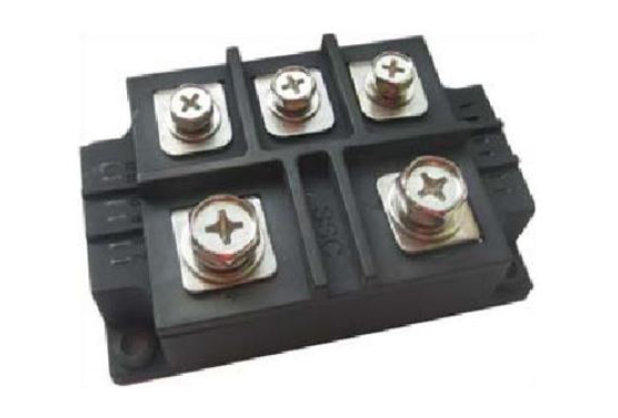
Thermal Margin Is Part Of Safety Margin
A thyristor operating too close to its thermal limit may still pass normal tests but lose reliability under long-term service. Package style, heatsink quality, current waveform, and cooling conditions all matter. In real power equipment, thermal margin is what separates short-term function from long-term safety and reliability.
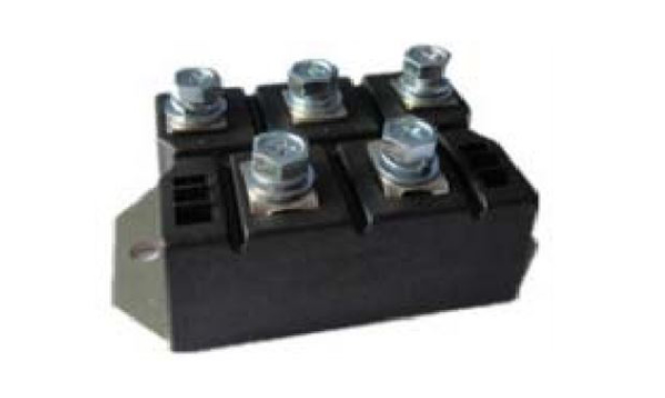
The safety margin of a thyristor should include voltage, current, surge capability, dv/dt, di/dt, trigger behavior, and thermal headroom together. Static ratings alone are never enough for reliable selection.