Thermal Management Solutions for High-Pensity IPM Packages
Thermal Management Solutions for High-Density IPM Packages
The Thermal Challenge in Modern High-Density IPM Design
In the evolution of power electronics, Intelligent Power Modules (IPMs) have become increasingly compact while handling higher power levels, creating significant thermal management challenges. As power density rises, the heat flux per unit area increases dramatically, potentially leading to thermal runaway, reduced reliability, and shortened lifespan if not properly managed. Traditional cooling methods often prove inadequate for these advanced modules, necessitating innovative thermal solutions. Rongtech's approach to high-density IPM thermal management begins at the design phase, incorporating advanced thermal interface materials (TIMs) and optimized internal layouts that maximize heat dissipation pathways. By addressing thermal challenges proactively rather than reactively, engineers can ensure that IPMs maintain optimal performance even under demanding operating conditions, extending their service life and enhancing overall system reliability.
Advanced Cooling Technologies and Material Innovations
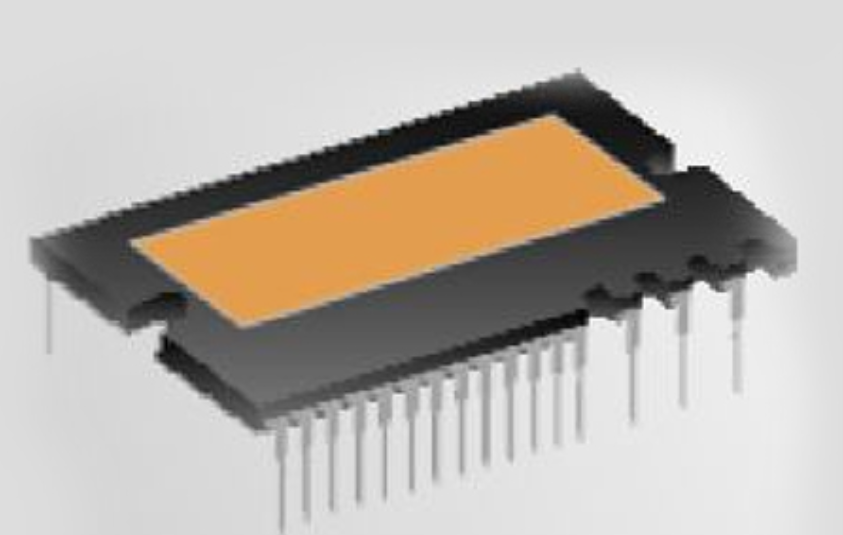
Effective thermal management for high-density IPMs requires a multi-faceted approach combining material science with mechanical engineering. Rongtech employs several key technologies to address this challenge: advanced thermal interface materials with high thermal conductivity, direct bonding copper (DBC) substrates for superior heat spreading, and innovative package designs that minimize thermal resistance. For forced air cooling applications, optimized heatsink designs with increased surface area and improved fin geometry enhance convection efficiency. In liquid-cooled systems, cold plates with microchannel structures provide exceptional cooling capacity for the highest power density applications. Additionally, thermal vias and strategic placement of power devices within the module ensure that heat is efficiently conducted away from hot spots. These solutions work in concert to maintain junction temperatures within safe operating limits, preventing performance degradation and ensuring consistent operation throughout the IPM's lifespan.
System Integration and Reliability Considerations
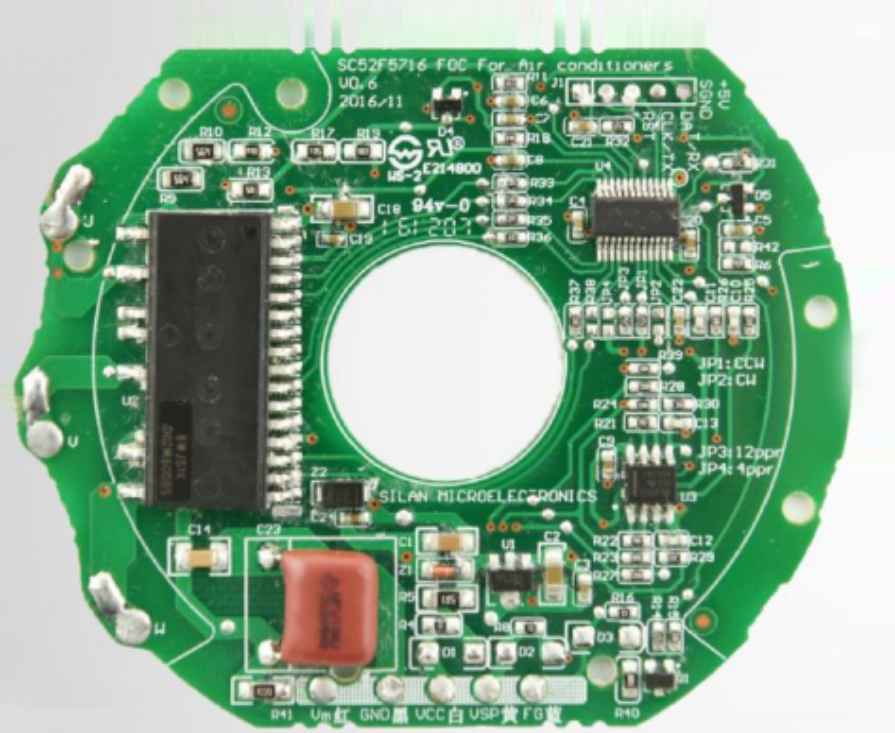
Thermal management extends beyond the IPM package itself to include its integration within the larger system. Proper thermal design must consider the complete thermal path from semiconductor junction to ambient environment, including mounting interfaces, system enclosure design, and environmental conditions. Rongtech's thermal solutions emphasize system-level thinking, providing detailed thermal resistance specifications and application guidance to help engineers design effective cooling systems. Reliability testing under various thermal cycling conditions ensures that IPMs can withstand the stresses of real-world operation, where temperature fluctuations can cause mechanical stress due to coefficient of thermal expansion (CTE) mismatches between materials. By implementing comprehensive thermal management strategies that address both the IPM's internal design and its system integration, manufacturers can deliver products that offer superior performance, longer operational life, and enhanced safety in applications ranging from industrial motor drives to electric vehicle powertrains.
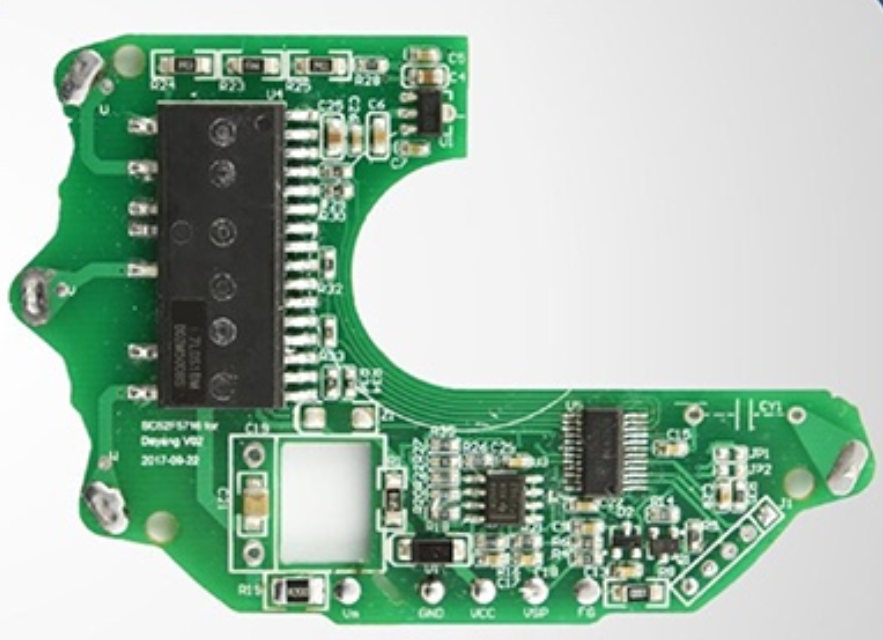
Thermal management represents a critical frontier in the advancement of high-density IPM technology, directly impacting performance, reliability, and application potential. As power densities continue to increase across industries, innovative thermal solutions become increasingly essential for unlocking the full capabilities of modern power electronics. Rongtech's comprehensive approach—combining material innovation, advanced packaging techniques, and system-level thermal design—provides engineers with the tools needed to overcome thermal limitations and push the boundaries of what's possible with IPMs. By prioritizing thermal management from the earliest design stages through final system integration, manufacturers can deliver power modules that not only meet today's performance demands but also pave the way for next-generation applications in an increasingly electrified world.