Selecting Cooling Fans and Heat Sinks for Power Electronics
Selecting Cooling Fans and Heat Sinks for Power Electronics
The Critical Role of Thermal Management in System Reliability
In power electronics systems, including motor drives, UPS (Uninterruptible Power Supplies), and solar inverters, a significant portion of energy loss is converted into heat due to inefficiencies in components like IGBTs (Insulated-Gate Bipolar Transistors), MOSFETs, and diodes. Effective thermal management is not merely an option but a fundamental requirement for ensuring long-term reliability, maintaining performance, and preventing catastrophic failure. The core principle is to maintain the semiconductor junction temperature (Tj) within its specified safe operating area, as defined in the component's datasheet. Excessive heat accelerates aging through mechanisms like thermal cycling, leading to bond wire fatigue and solder joint degradation, which ultimately shortens the product's lifespan. The thermal management system's primary function is to efficiently transfer heat away from these power devices, dissipate it into the ambient environment, and thereby stabilize the operating temperature. A well-designed cooling solution directly contributes to higher system efficiency, greater power density, and enhanced operational safety, making it a critical aspect of power electronics design.
Key Components: Heat Sinks and Cooling Fans
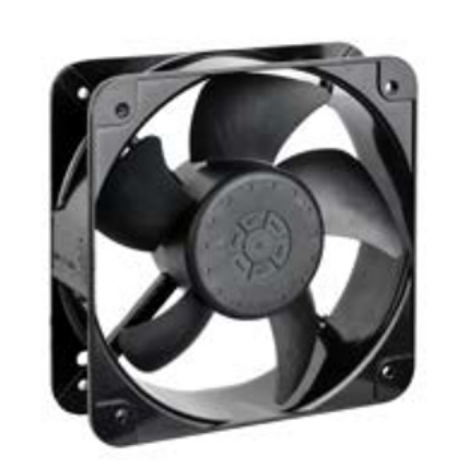
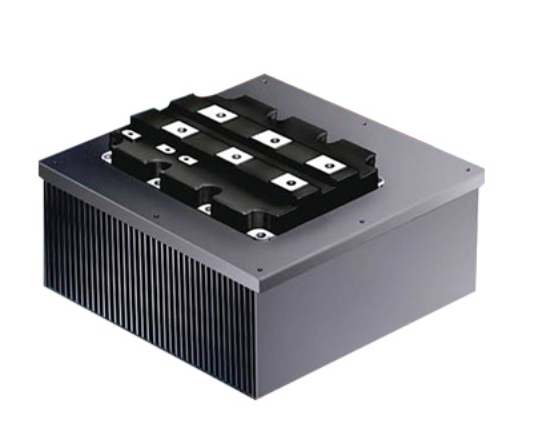
The thermal management chain typically involves two main components working in tandem: the heat sink and the cooling fan. The heat sink is a passive component, usually made of aluminum or copper due to their high thermal conductivity. Its function is to attach directly to the heat-generating component, absorb the thermal energy, and provide a large surface area for heat dissipation. The effectiveness of a heat sink is quantified by its thermal resistance (Rθ), measured in °C/W. A lower thermal resistance indicates better heat dissipation performance. Key parameters in selecting a heat sink include its material, size, fin design, and the quality of the thermal interface material (TIM), such as thermal grease or pads, which minimizes the thermal resistance between the component and the heat sink. The cooling fan is an active component that enhances the heat sink's performance by forcing air across its fins, a method known as forced convection. This dramatically increases the heat transfer rate compared to natural convection. Fans are selected based on critical specifications like airflow (CFM or m³/h), static pressure, acoustic noise (dBA), operating voltage, and Ingress Protection (IP) rating for harsh environments. The choice between AC fans and DC fans depends on the available power supply and control requirements, with DC fans often offering more precise speed control for optimized noise and efficiency.
A Systematic Approach to Selection and Sizing
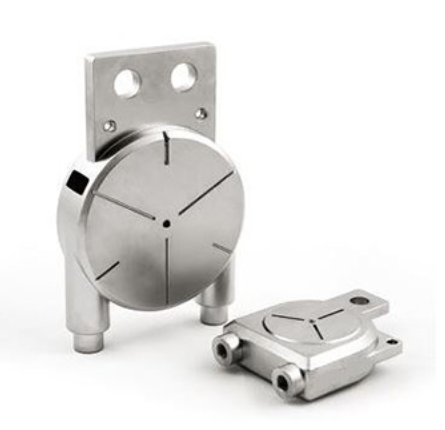
Selecting the appropriate cooling solution requires a systematic approach based on thermal analysis. The first step is to calculate the total power loss (P_loss) of the components that need cooling. This data can be derived from device datasheets or simulations. The second step is to determine the maximum allowable ambient temperature (Ta) and the maximum permissible junction temperature (Tj_max) for the critical components. The required total thermal resistance from the junction to the ambient air (Rθ_ja) can then be calculated using the formula: Rθ_ja ≤ (Tj_max - Ta) / P_loss. This total Rθ_ja is the sum of the individual thermal resistances: junction-to-case (Rθ_jc, from the datasheet), case-to-sink (Rθ_cs, dependent on the TIM), and sink-to-ambient (Rθ_sa). The Rθ_sa is the performance metric for the heat sink and fan combination. Designers must then select a heat sink and a fan whose combined performance meets or exceeds the required Rθ_sa under the system's airflow conditions. Factors such as available space, orientation, and system-level acoustic requirements must also be considered. Suppliers like Rongtech Industry offer a wide range of both AC cooling fans and DC cooling fans with various IP ratings and performance characteristics, along with compatible cooling modules, providing engineers with tested and reliable solutions to meet their specific thermal design challenges.
In conclusion, the selection of cooling fans and heat sinks is a precise engineering discipline crucial for the success of power electronics systems. By understanding the thermal requirements, calculating the necessary thermal resistance, and systematically selecting components like high-performance fans from trusted suppliers such as Rongtech, engineers can ensure their designs achieve optimal thermal performance, leading to enhanced reliability, efficiency, and longevity.