Integrated Cooling Modules: Boosting Power Density in Compact Designs
The Thermal Challenge in Modern Power Electronics
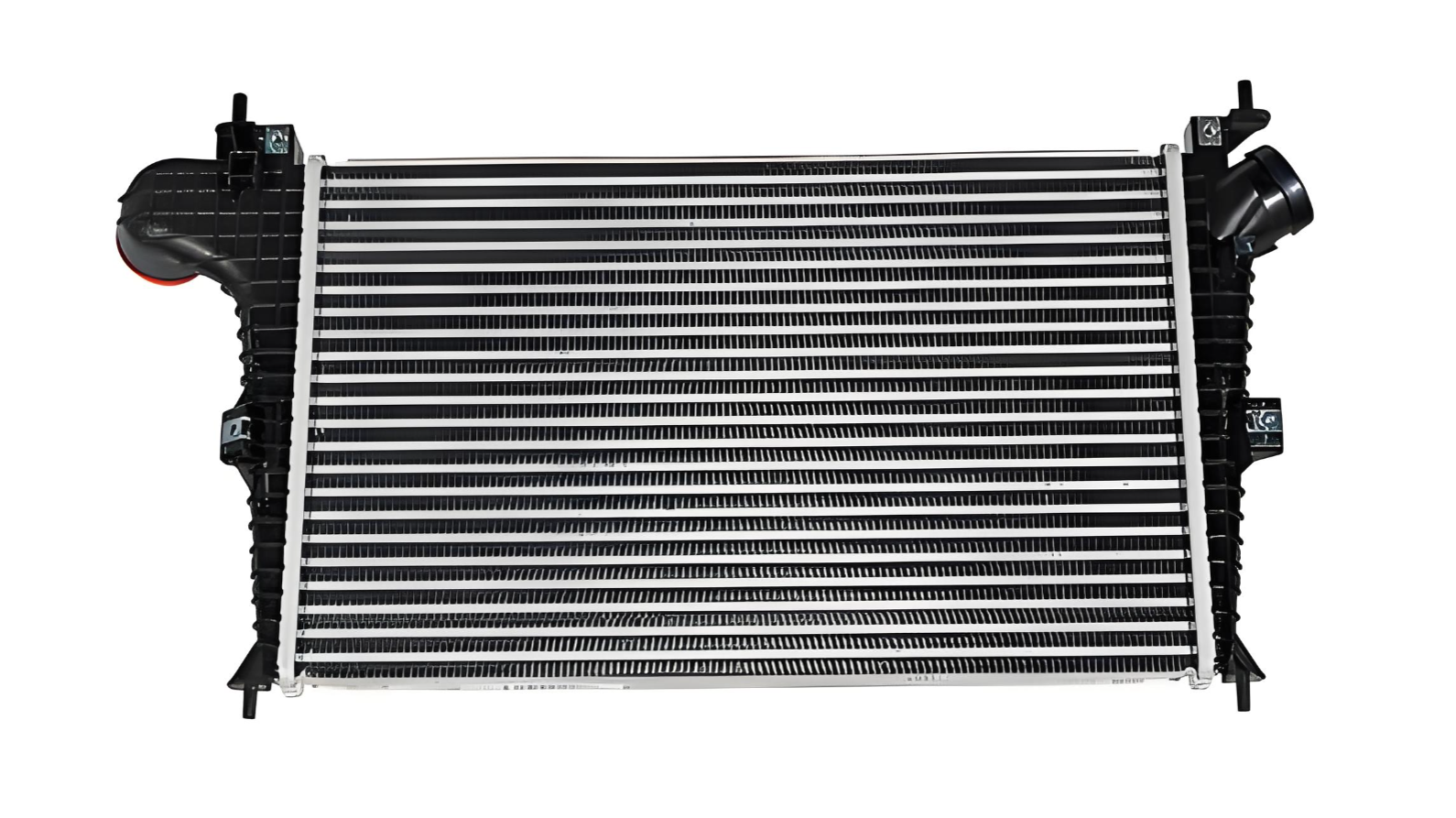
The relentless drive towards miniaturization and higher efficiency in power electronics—from electric vehicle (EV) onboard chargers and servers to industrial motor drives—has created a critical thermal bottleneck. As components like IGBTs, SiC MOSFETs, and CPUs are packed into ever-smaller spaces and operated at higher frequencies, their power density (watts per cubic inch) increases dramatically. The resulting waste heat, if not effectively removed, leads to excessive junction temperatures, which degrades performance, reduces reliability, and can cause catastrophic failure. Traditional cooling methods, like attaching a separate heatsink to a component, often fall short. They add assembly steps, increase overall volume, and can struggle with the localized "hot spots" characteristic of modern power modules. This is where the paradigm shifts: the Integrated Cooling Module. This is not just a heatsink added on, but a system-level solution where the thermal management is designed as an integral, optimized part of the power assembly from the outset. Rongtech's approach involves combining high-performance power devices with advanced cooling structures—such as pin-fin bases, integrated heat pipes, or even cold plates for liquid cooling—into a single, cohesive unit. This solves the core challenge by providing a dedicated, low-thermal-resistance path for heat to travel directly from the semiconductor junction to the ambient environment or a liquid coolant.
Enabling Next-Generation Applications Across Industries
The impact of integrated thermal solutions is transformative across high-growth sectors. In electric vehicles, they are essential for maximizing the power density of traction inverters, DC-DC converters, and onboard chargers, directly contributing to extended range and faster charging within tight packaging constraints. For renewable energy, they enable the creation of more compact and efficient solar inverters and energy storage system (ESS) power converters, suitable for both residential and utility-scale installations. In telecommunications and data centers, integrated cooling modules allow for higher compute density in servers and more powerful, space-saving rectifiers and power supplies for 5G infrastructure, where rack space is at a premium. Rongtech’s capabilities in providing these tailored cooling modules—often combining their expertise in power semiconductors with custom thermal engineering—empower designers to push the boundaries. By effectively "designing the heat out," engineers can utilize the full performance potential of wide-bandgap semiconductors like SiC and GaN, adopt more aggressive switching frequencies to reduce passive component size, and ultimately create a new generation of power-dense, efficient, and reliable electronic systems that were previously thermally impossible.
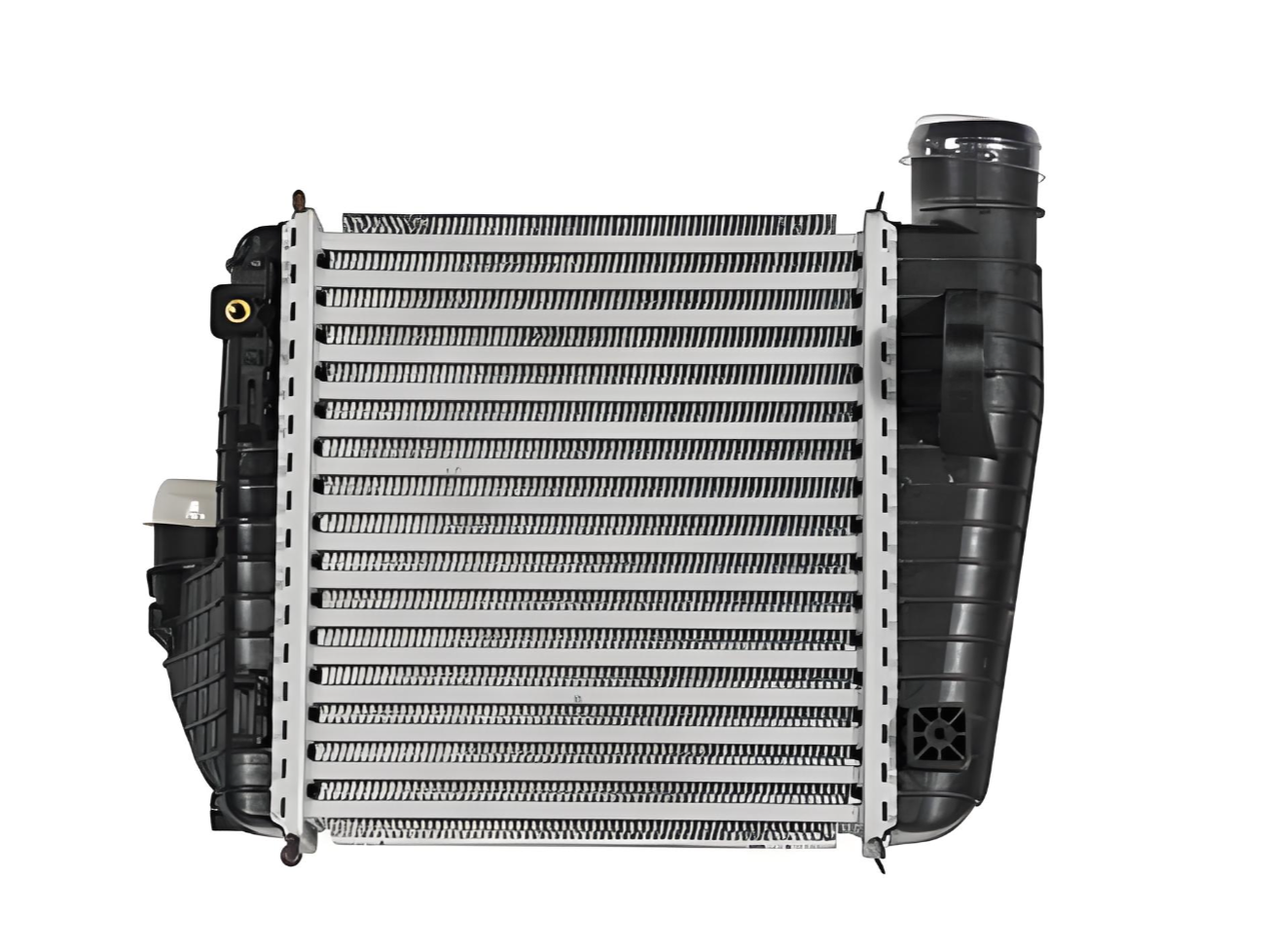
In summary, integrated cooling modules represent a fundamental shift from treating thermal management as an afterthought to embracing it as a core, enabling technology in power electronics design. By seamlessly fusing power devices with advanced cooling structures, they provide the most direct path to dissipating heat, which is the single greatest limiter of power density. Rongtech Industry’s solutions in this domain are key enablers for innovation, allowing engineers to break free from thermal constraints and design the smaller, more powerful, and more efficient systems demanded by the future of mobility, clean energy, and digital infrastructure. Investing in integrated cooling is, therefore, an investment in overcoming the primary barrier to miniaturization and unlocking the next leap in performance.