How to Calculate Thermal Resistance for Rongtech’s Heat Sinks
How to Calculate Thermal Resistance for Rongtech's Heat Sinks
Understanding the Basic Concept of Thermal Resistance
Thermal resistance (Rθ) is a fundamental parameter that quantifies a heat sink's ability to dissipate heat, measured in degrees Celsius per watt (°C/W). It represents the temperature difference between the heat source (e.g., an IGBT or power module) and the ambient air per unit of power dissipated. For Rongtech’s heat sinks, the total thermal resistance (Rθ_total) consists of two main components: the conductive resistance (Rθ_conduction) within the heat sink material and the convective resistance (Rθ_convection) between the heat sink surface and the air. A lower Rθ value indicates better heat dissipation performance. Engineers must first grasp this concept to accurately evaluate whether a heat sink meets the cooling requirements of specific applications, such as inverters or motor drives. Rongtech provides detailed datasheets with baseline Rθ values, but real-world calculations require adjustments for factors like airflow, mounting pressure, and thermal interface materials (TIMs).
Step-by-Step Calculation Methodology
The calculation of thermal resistance begins with defining the system parameters: power loss (P_loss) of the device, maximum allowable junction temperature (T_jmax), and ambient temperature (T_amb). The basic formula is:
Rθ_total = (T_jmax – T_amb) / P_loss – Rθ_jc – Rθ_tim
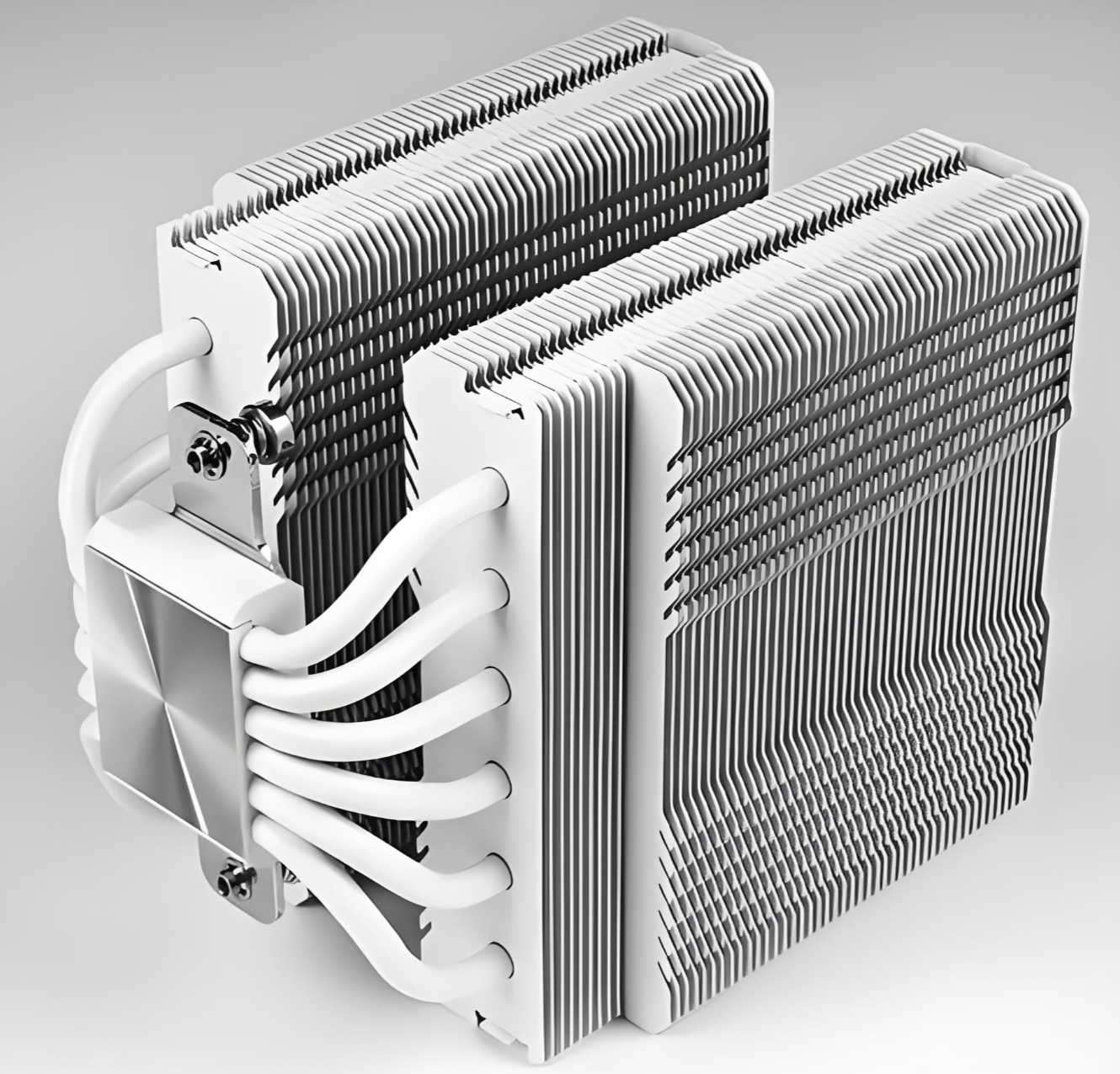
Here, Rθ_jc is the junction-to-case thermal resistance of the semiconductor device, and Rθ_tim is the thermal resistance of the interface material. For Rongtech’s heat sinks, the convective resistance (Rθ_convection) dominates when natural convection is used. If forced air cooling is applied, the thermal resistance decreases non-linearly with increasing airflow. Rongtech’s datasheets often include graphs showing Rθ vs. airflow velocity (e.g., for axial fans or blowers). Engineers should also account for heat sink orientation, fin density, and surface finish. For example, a black anodized heat sink may have up to 20% lower Rθ than a bare aluminum surface due to higher emissivity. Computational Fluid Dynamics (CFD) simulations are recommended for complex systems to validate theoretical calculations.
Practical Considerations and Optimization Strategies
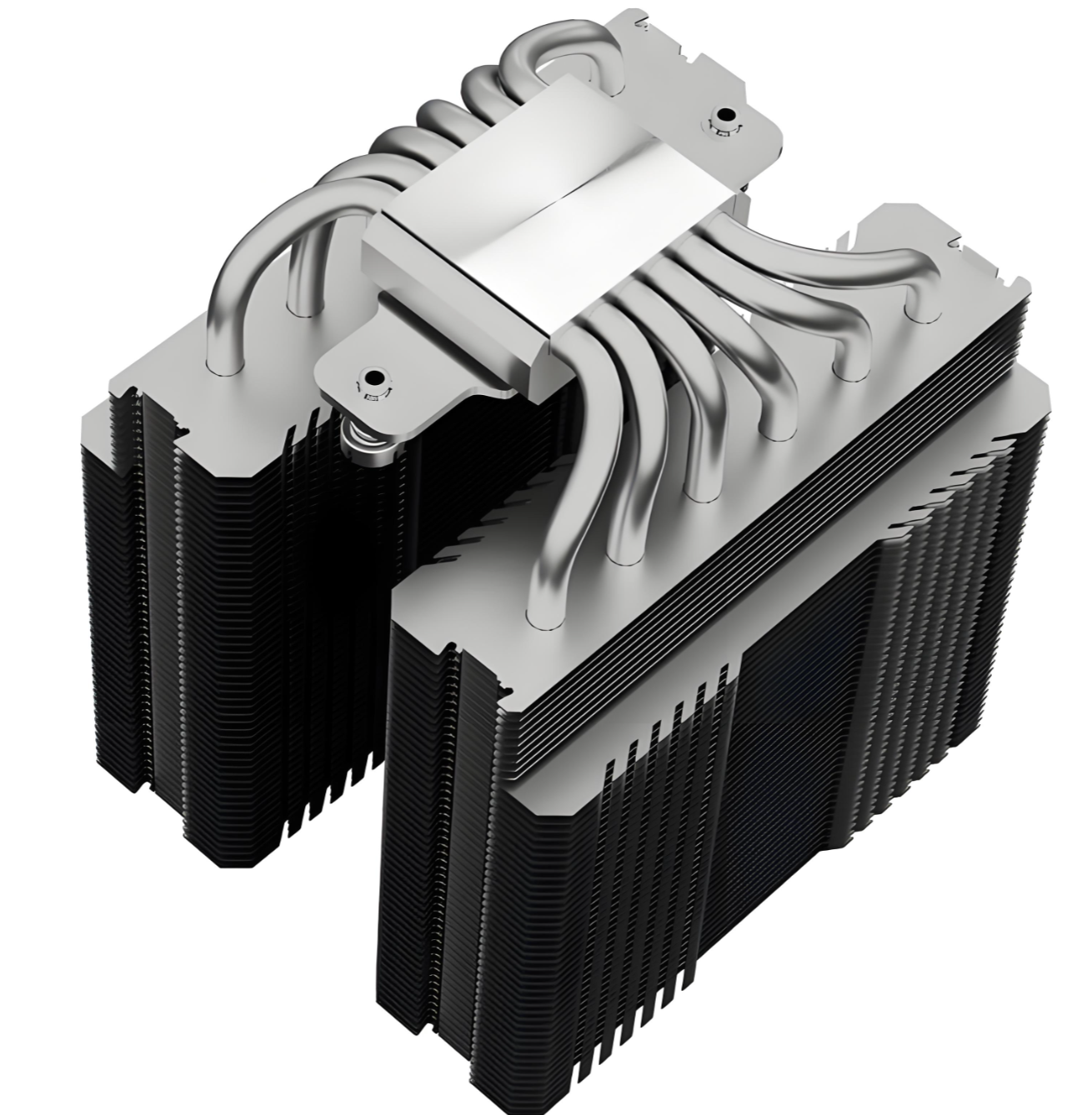
In practice, thermal resistance calculations must align with real-world constraints. For instance, mounting pressure significantly impacts Rθ_tim: insufficient pressure causes air gaps, increasing thermal resistance, while excessive pressure may damage components. Rongtech’s heat sinks are designed with standardized mounting holes compatible with common power modules to ensure proper pressure distribution. Additionally, system-level factors like ambient temperature variations (e.g., in solar inverters exposed to direct sunlight) or dust accumulation on fins must be factored into safety margins. To optimize thermal performance, engineers can select Rongtech’s heat sinks with features such as skived fins for increased surface area, copper-aluminum composite bases for better conductivity, or integrated heat pipes for high-heat-flux applications. Regular maintenance (e.g., cleaning fins) is also crucial to maintain low Rθ over the product lifecycle.
Calculating thermal resistance for Rongtech’s heat sinks is a systematic process that bridges theoretical principles and practical engineering constraints. By understanding the components of Rθ, applying correct formulas, and accounting for real-world variables, engineers can ensure optimal thermal management for power electronics. This approach not only prevents overheating but also enhances system reliability and longevity. As power densities continue to rise, precise thermal resistance calculation remains a cornerstone of efficient design, empowering innovations across industries from renewable energy to industrial automation.